I build production AI systems — document-validation pipelines, RAG platforms and multi-agent automation — on twelve years of enterprise data engineering. That combination is the point: a model is only as good as the data architecture underneath it. Based in Sydney, Australia.
The stack I actually build with. Twelve years of enterprise data engineering sits underneath — the full history is in My Journey.
Sydney-based AI engineer with 15+ years of experience spanning enterprise data engineering, workflow automation, and production AI systems.
I build intelligent systems that turn unstructured data into business value. My current work focuses on designing and deploying LLM-powered pipelines, multi-agent architectures, and RAG (Retrieval-Augmented Generation) systems for Australian businesses — from recruitment and financial services to the not-for-profit sector.
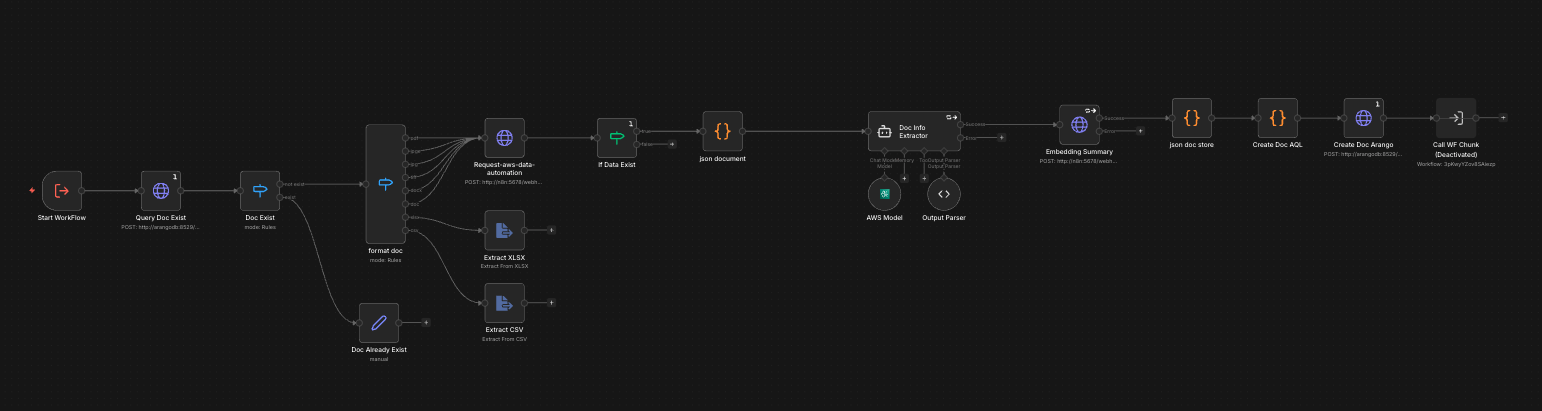
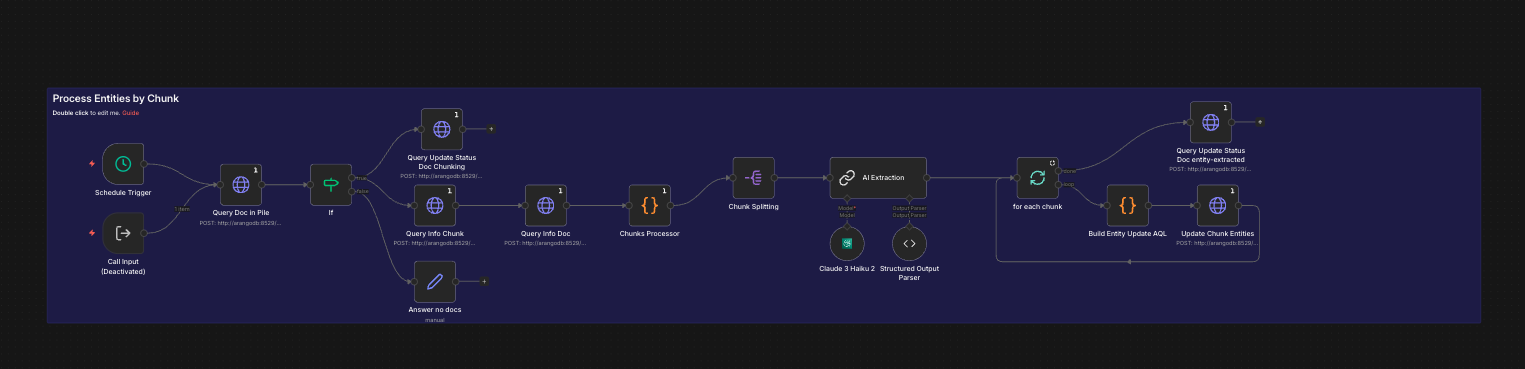
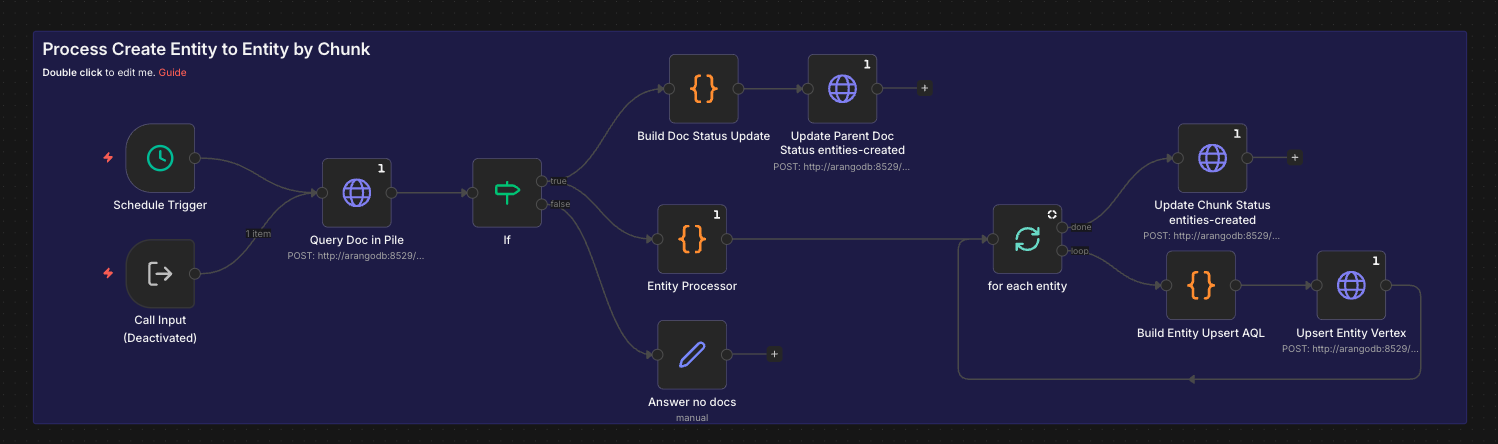
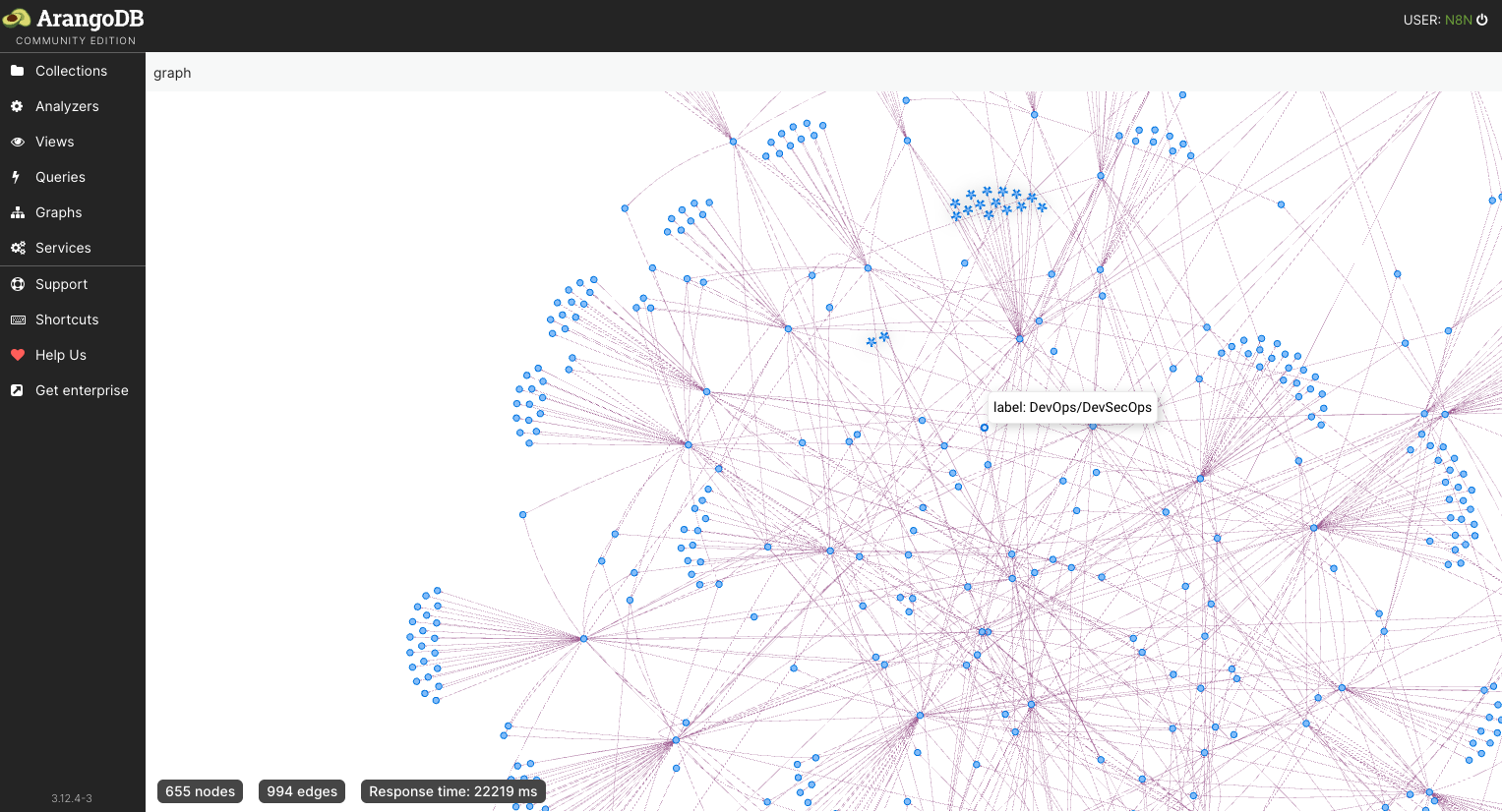
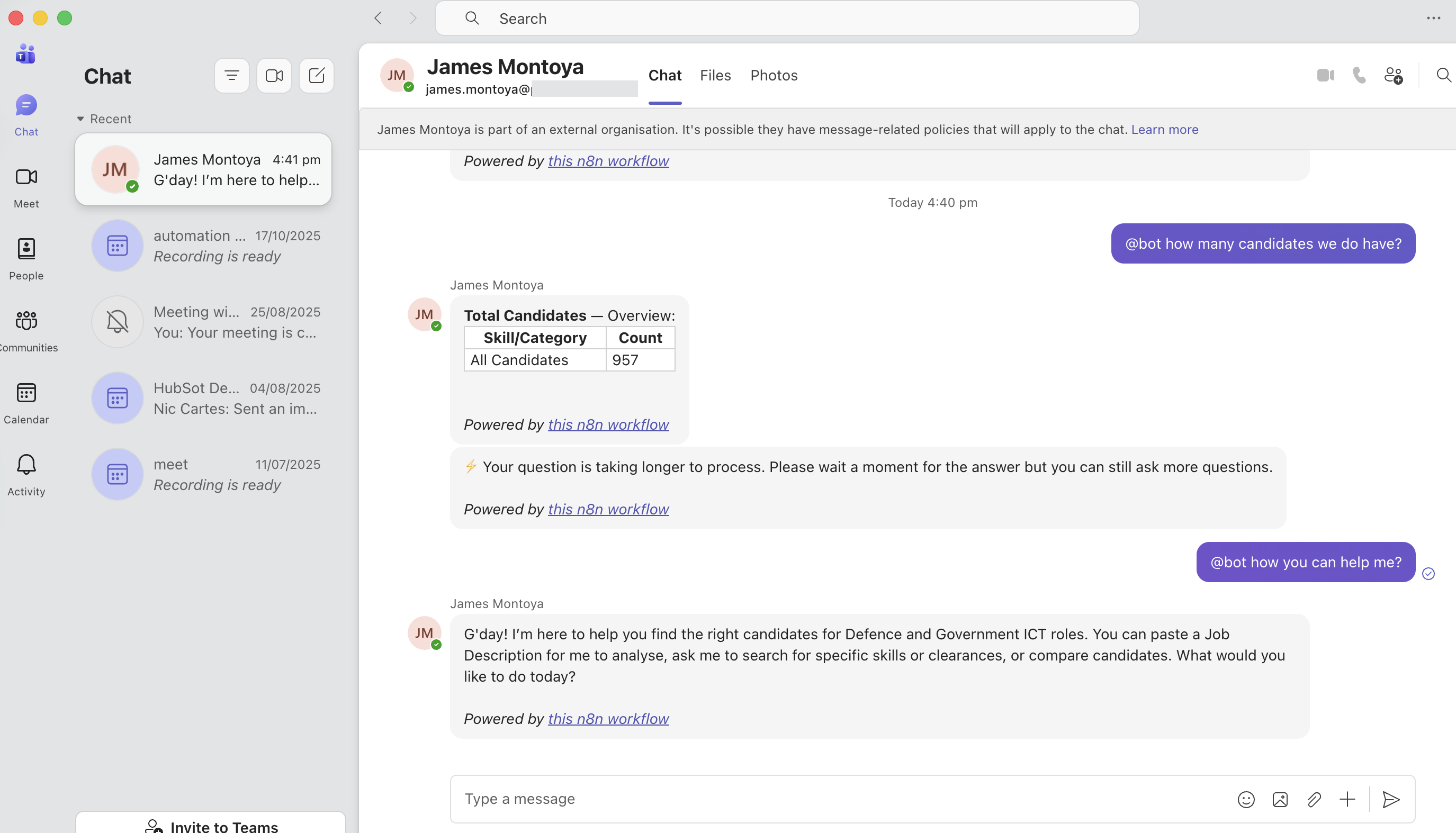
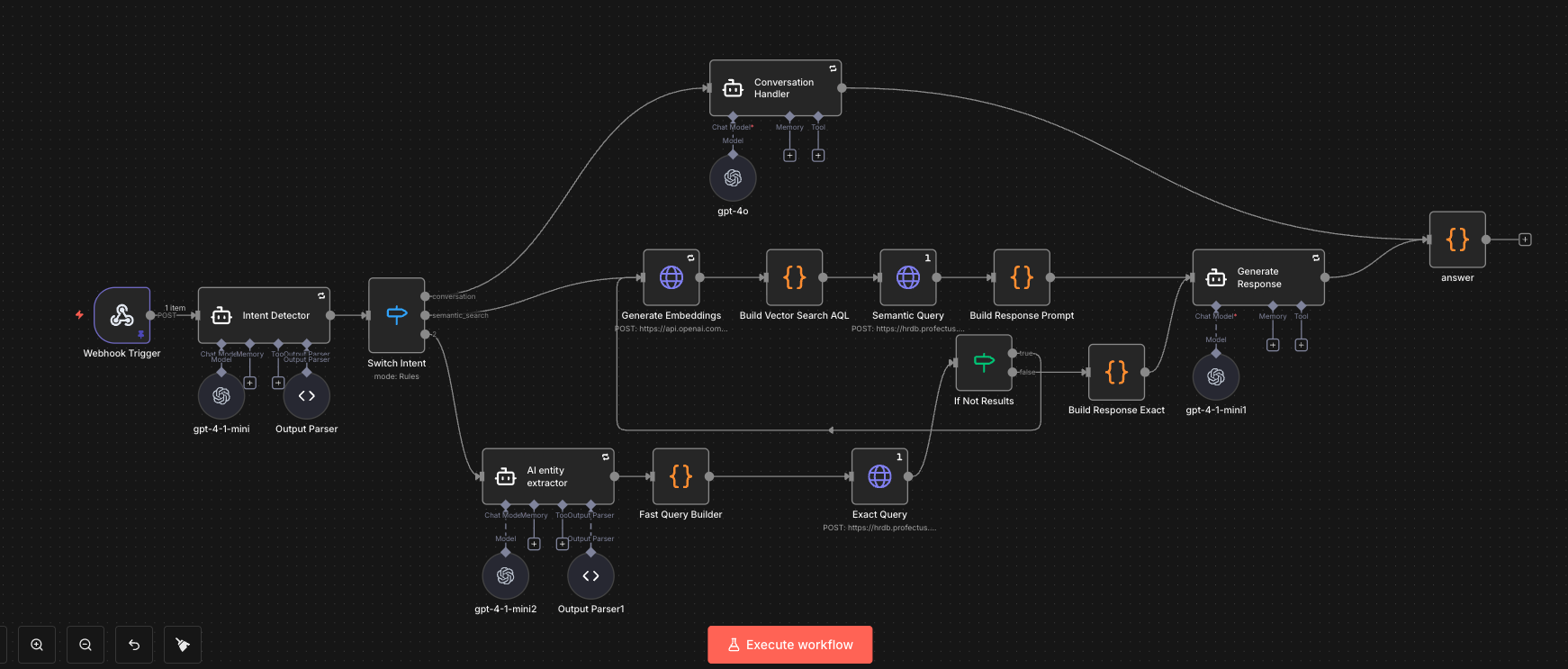
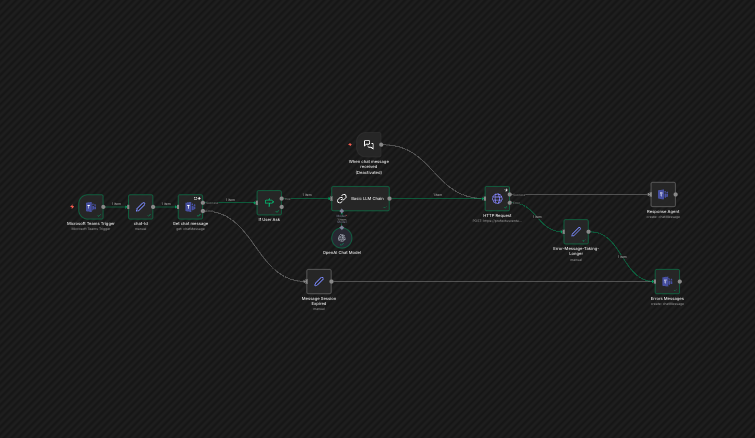
For a Defence & Government recruitment firm, I designed and built an end-to-end AI recruitment pipeline: CV ingestion, structured data extraction (skills, security clearances, capability domains), graph-based storage in ArangoDB, and a conversational AI agent accessible through Microsoft Teams. The system uses a multi-agent architecture — router, query builder, response formatter, and validator — orchestrated through n8n, enabling recruiters to find candidates through natural language queries instead of manual database searches. I'm now extending that platform into executive reporting: n8n workflows ingest HubSpot contacts and deals into an ArangoDB reporting warehouse, a read-only FastAPI service exposes the metrics over AQL, and two dashboards — an operational Master Report for the CEO and a revenue Loss Analysis — are provisioned as code in Grafana and deployed on AWS EC2.
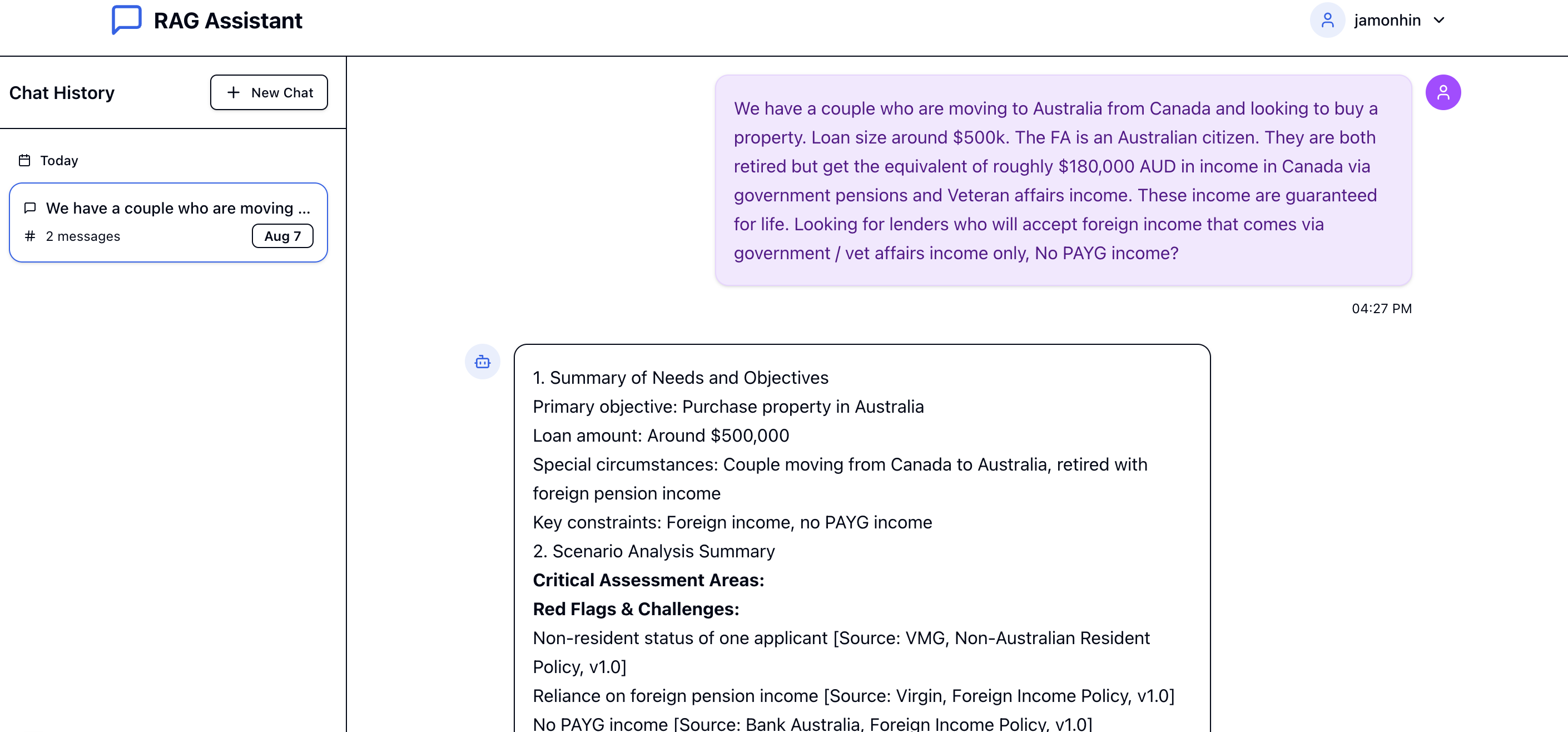
For eThink Solutions — an award-winning Australian custom application and BI company whose clients include Lyft, GrainCorp, and DP World — I'm building a RAG system that enhances their mortgage broker CRM with document intelligence. The platform processes 150+ loan documents with 95%+ accuracy, classifies and chunks content at granular levels, maps relationships between banks, processes, and compliance requirements through a graph model, and lets staff query everything through natural conversation. Manual document lookup time has been reduced by 80%.
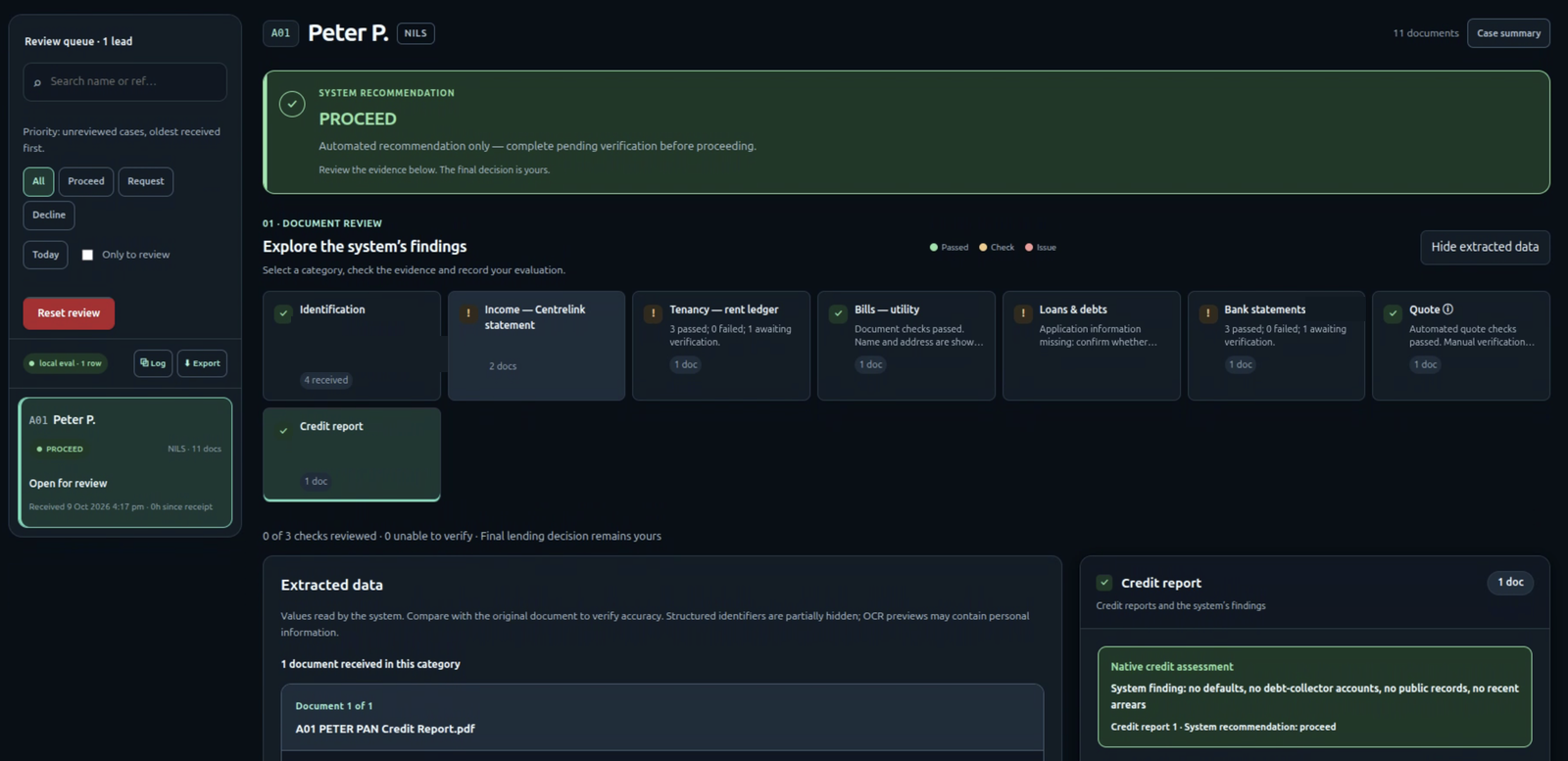
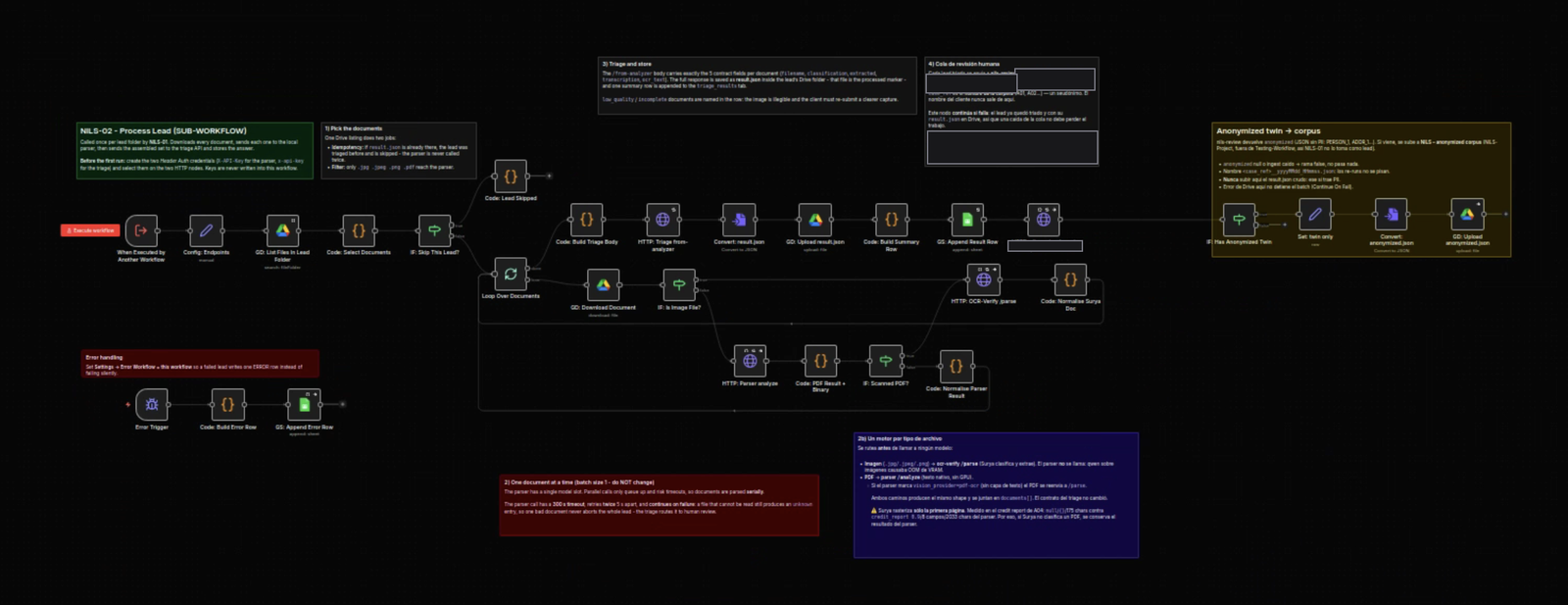
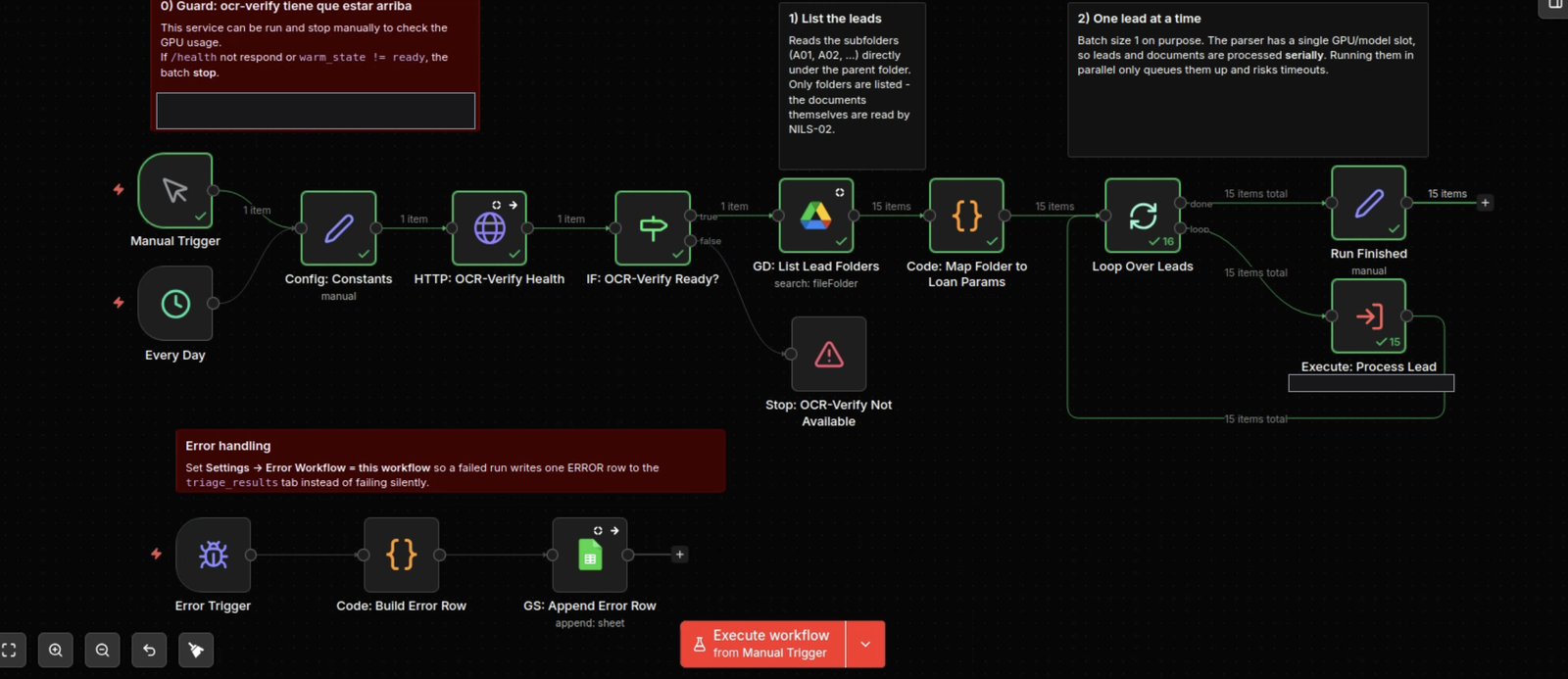
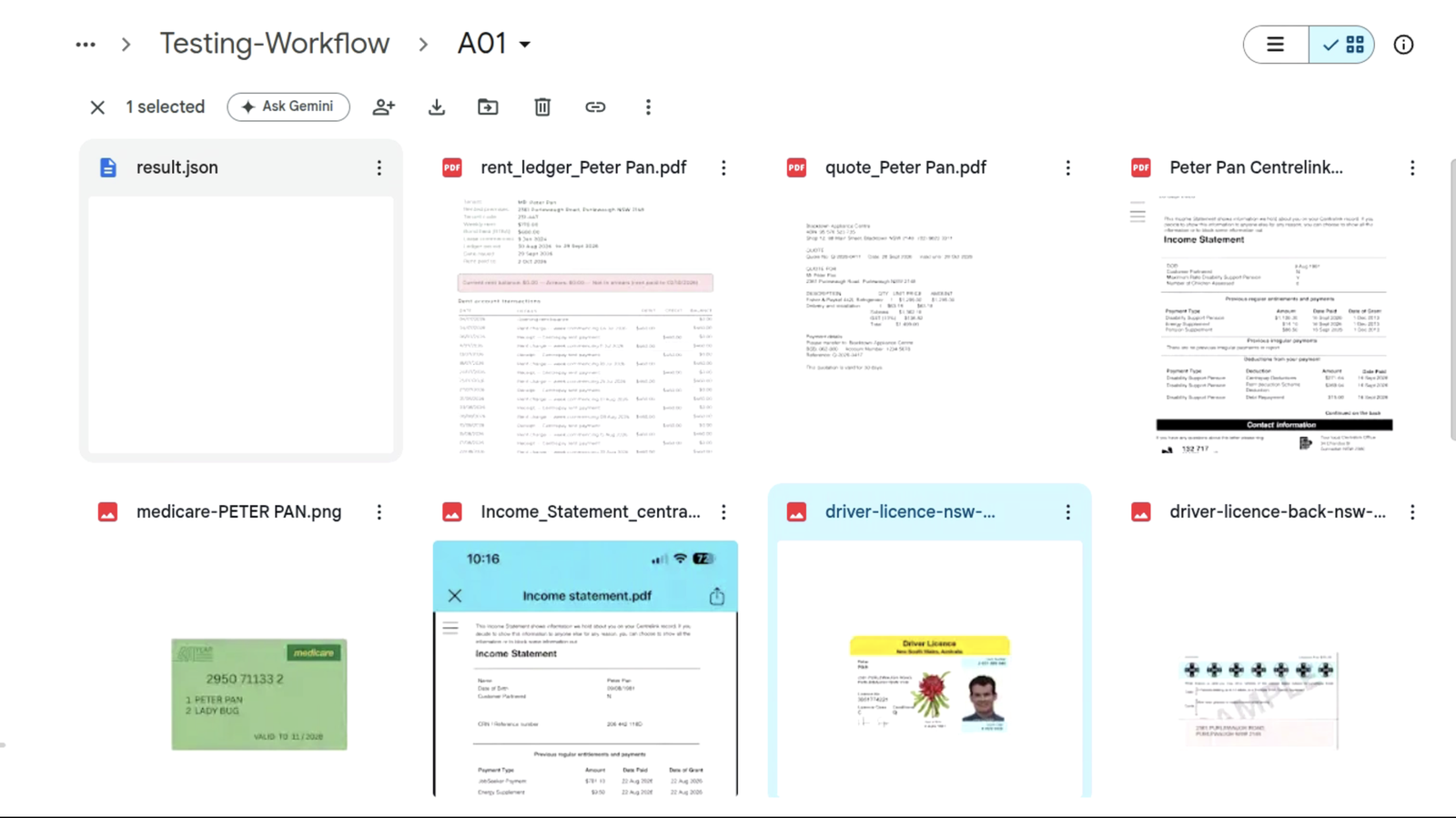
For an Australian no-interest loan (NILS) provider, I'm building an AI document-validation pipeline for microloan assessments. Caseworkers currently review large document packs by hand against a detailed eligibility handbook; the pipeline classifies and extracts fields from each document — native-text PDFs and image scans alike — validates them against eligibility criteria encoded as versioned, auditable decision tables, and returns a triage recommendation with cited reasons. Every extracted value is grounded against the source text, low-confidence fields are escalated for human confirmation, and the system never auto-approves. Real applicant data never leaves the local environment: inference runs locally and all development and testing use synthetic applicants.
For eThink Solutions I'm also building Sage, a voice-AI platform that helps elderly Australians preserve their life stories. Elders talk to a warm conversational AI over a direct WebRTC connection to the OpenAI Realtime API and choose, story by story, what their family gets to hear. The consent rule is enforced in Postgres row-level security rather than in the interface, so nothing reaches the family without an explicit yes — and the whole thing works across eleven languages.
For not-for-profit organisations, I develop and deliver AI training programs that make AI accessible to non-technical teams, covering safe adoption frameworks, data governance, and practical tool implementation.
My foundation is over twelve years of enterprise data engineering across financial services and telecommunications — building ETL pipelines, designing data models, leading database migrations, and developing real-time KPI dashboards at scale. That experience gives me something many AI engineers lack: a deep understanding that even the most sophisticated models are only as good as the data architecture underneath them.
I see AI agents not as black boxes but as data systems requiring careful orchestration — ingestion, transformation, storage, retrieval, and presentation. My ability to bridge traditional data infrastructure with cutting-edge AI implementation means I deliver production-ready systems, not proof-of-concept demos.
I'm focused on helping forward-thinking teams deploy intelligent systems that deliver measurable business outcomes. Whether it's automating complex workflows, building conversational AI interfaces, or designing the data architecture that makes it all work — I bring the engineering depth to take projects from concept to production.
Get in touch: james@ethicalaispecialists.com.au | ethicalaispecialists.com.au

A showcase of my latest projects, demonstrating my skills in AI development, RAG systems, data engineering, and machine learning applications.
An AI pipeline that reads and validates microloan application documents against codified eligibility rules, producing an auditable recommendation for a caseworker to decide — privacy by design. Built for an Australian no-interest loan (NILS) provider, it replaces the manual review of large applicant document packs with a structured, traceable result. The pipeline ingests both native-text PDFs and image scans via OCR, classifies each document type, extracts the relevant fields per type across identity, income, banking, tenancy and supplier-quote documents, then validates them against the program's eligibility criteria encoded as versioned decision tables — each rule citing its source in the lending handbook, so every outcome is auditable. Extracted values are grounded against the document's own text, and anything low-confidence is flagged for human confirmation rather than trusted blindly. The system returns a triage outcome with human-readable reasons and a needs-review list; it never auto-approves, so a caseworker always makes the final call. Privacy is architectural: real applicant data never leaves the local environment, development and testing run entirely on synthetic applicants, and only de-identified evaluation data is persisted for quality tracking against human-reviewer decisions.
Built for eThink Solutions, a multi-tenant platform that helps elderly people record their life stories by talking to a warm voice AI, then shares the stories they choose with their families — in their own voice and language. The browser opens a WebRTC connection directly to the OpenAI Realtime API using short-lived server-minted tokens, so the API key never reaches the client. The consent rule is enforced in Postgres row-level security rather than the UI: nothing reaches the family without the elder's explicit yes. Three surfaces in one Next.js app (elder companion PWA, family library, provider admin), 11 languages with cached translations, and pgvector semantic search across memories.
An end-to-end reporting pipeline for a Defence & Government recruitment firm. n8n workflows ingest HubSpot contacts and deals into an ArangoDB reporting warehouse, a read-only FastAPI service exposes 16 metric endpoints over AQL, and two Grafana dashboards are provisioned as code from the repo: an 11-panel operational Master Report for the CEO and a 7-panel revenue Loss Analysis. Supporting Jupyter notebooks cover candidate pipeline growth, supply/demand gap, security clearance profile, loss analysis and the inbound marketing funnel. Runs on Docker Compose and deploys to AWS EC2 behind nginx/TLS, with every write to the production database gated behind explicit confirmation.
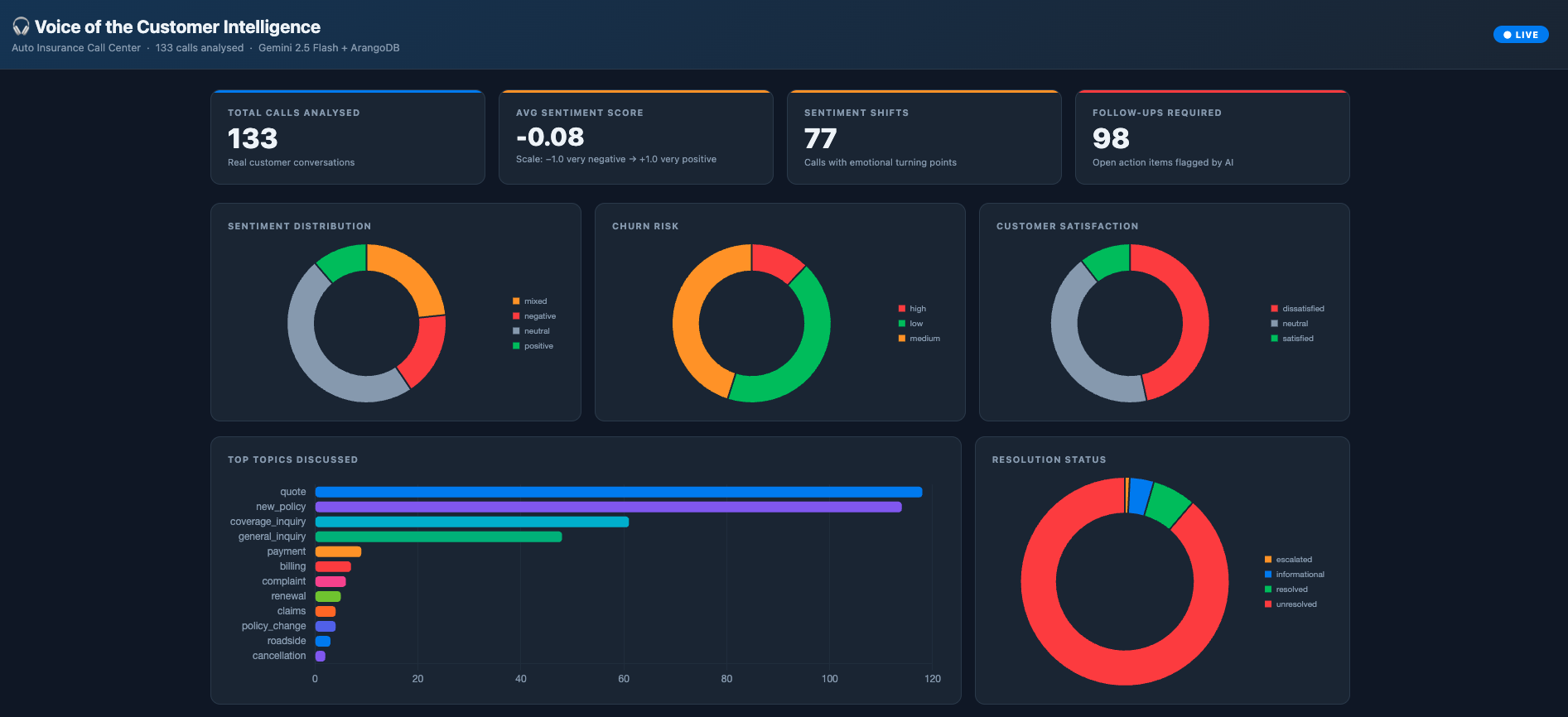
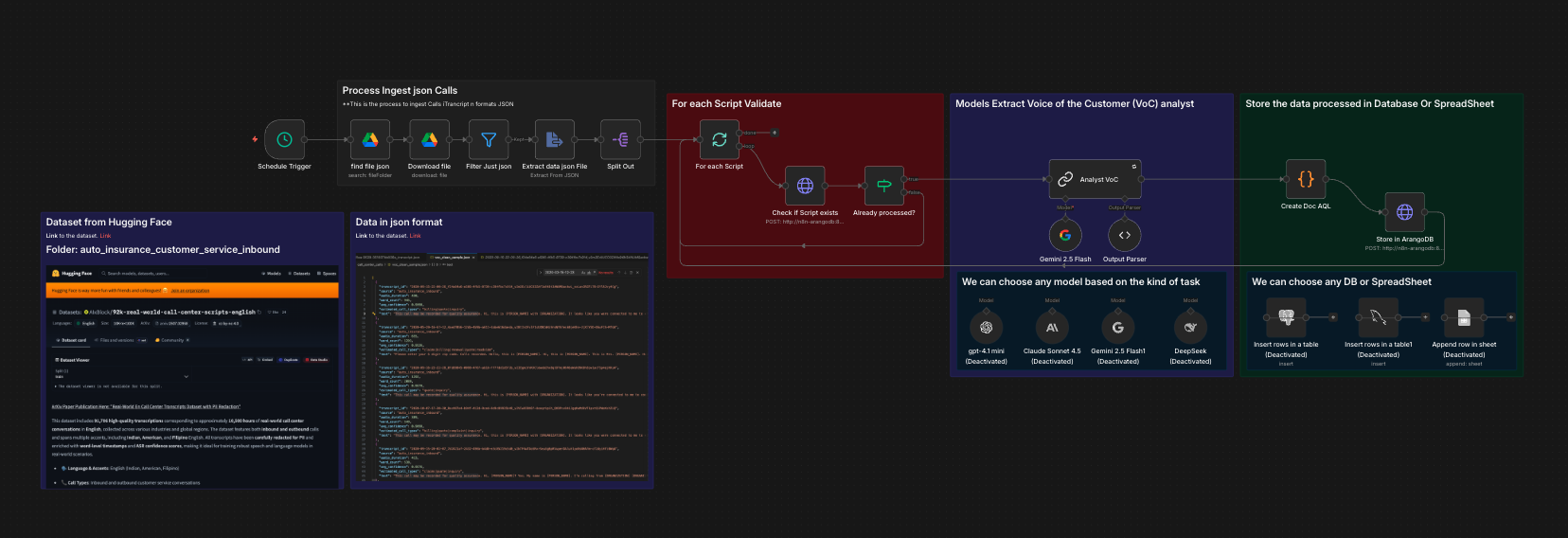
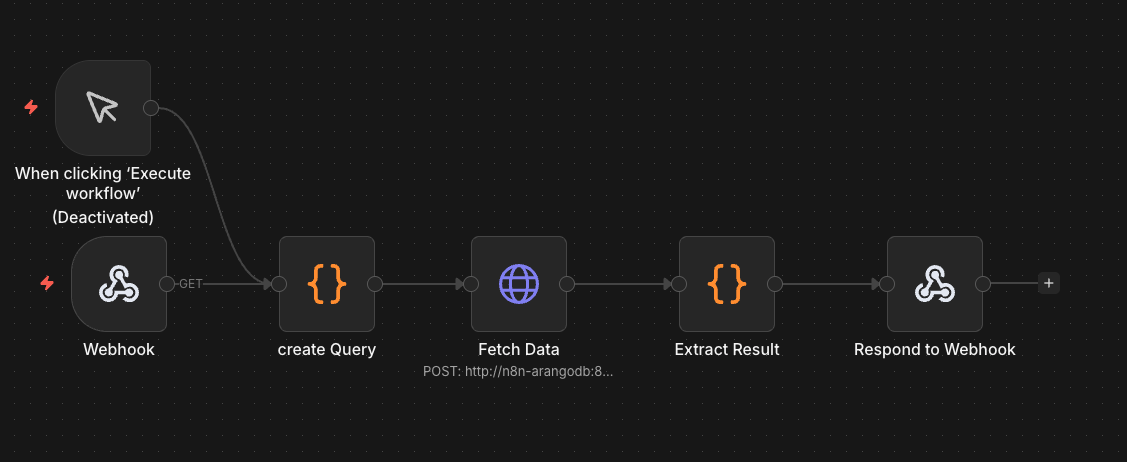
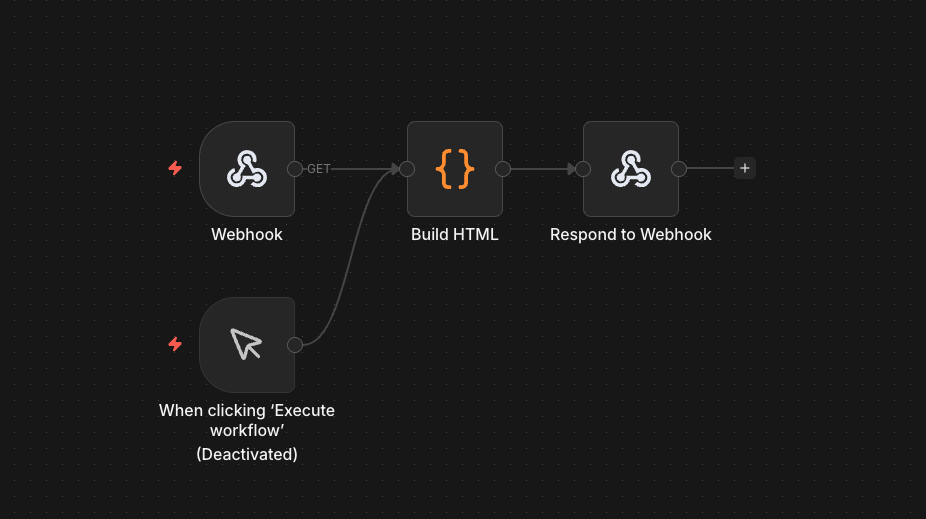
Built an end-to-end Voice of the Customer analytics pipeline that processes real insurance call centre transcripts through LLM extraction, stores structured insights in ArangoDB, and serves a live dashboard via webhook. Extracts 16 structured fields per call including calibrated sentiment scoring, sentiment journey tracking, churn risk assessment, topic classification, and agent performance.
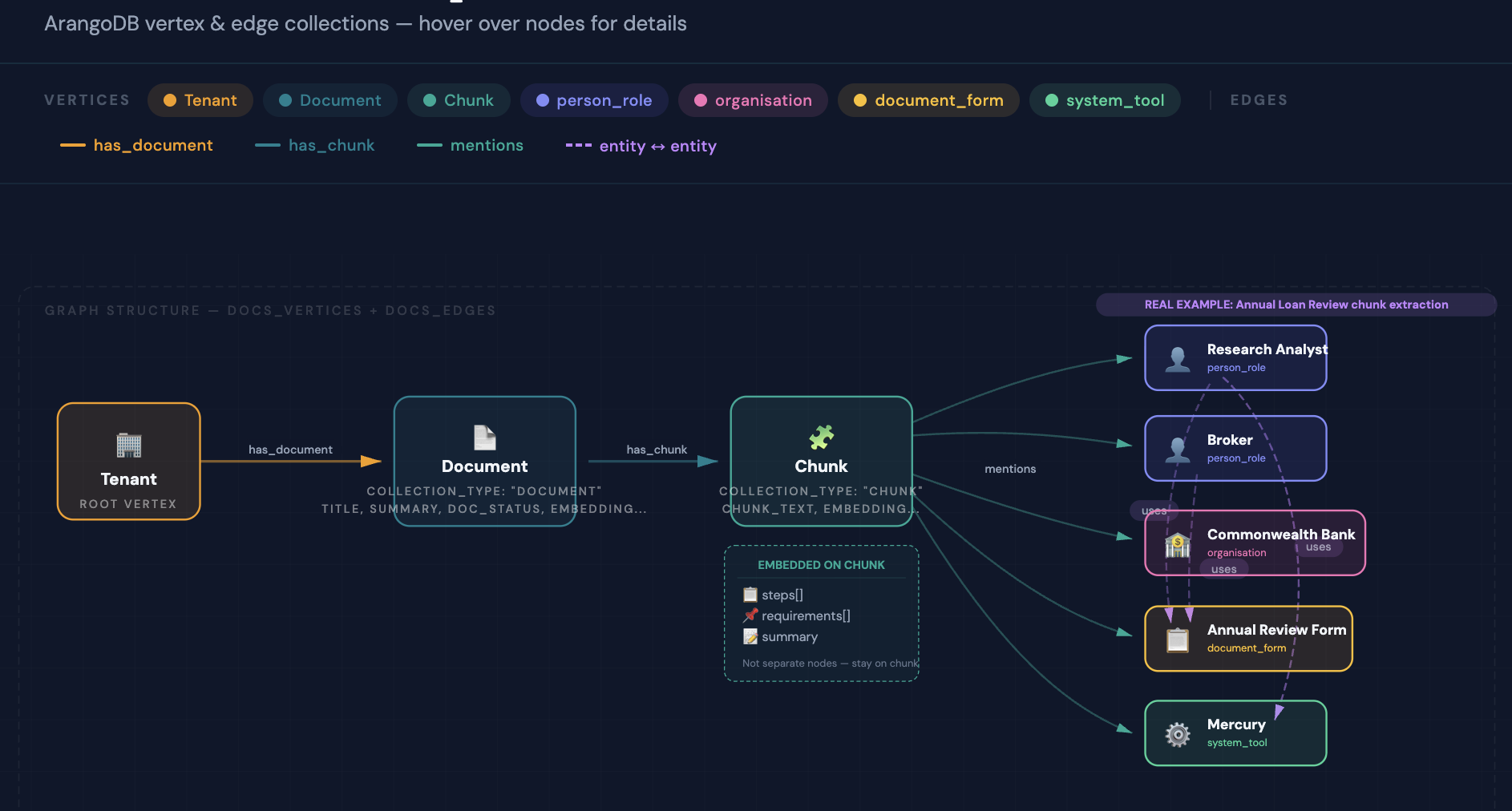
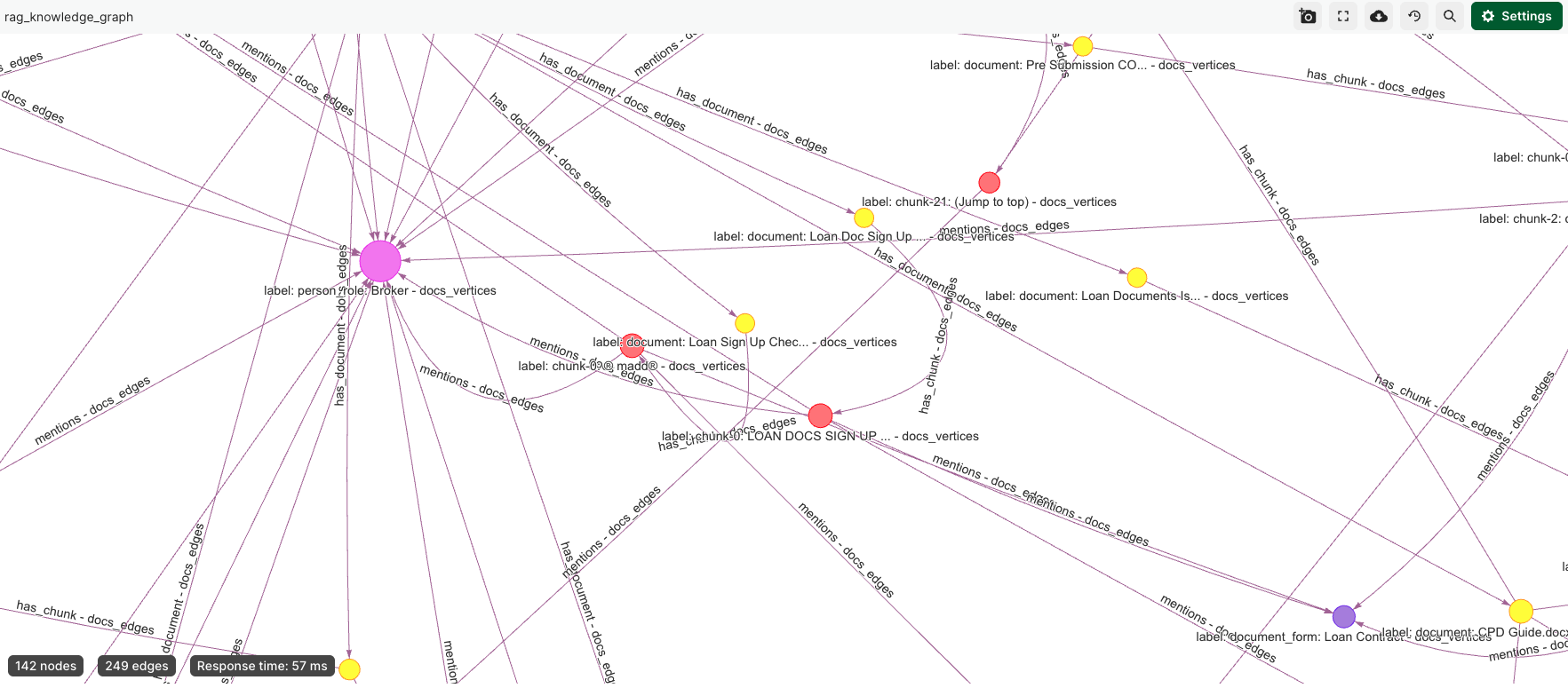
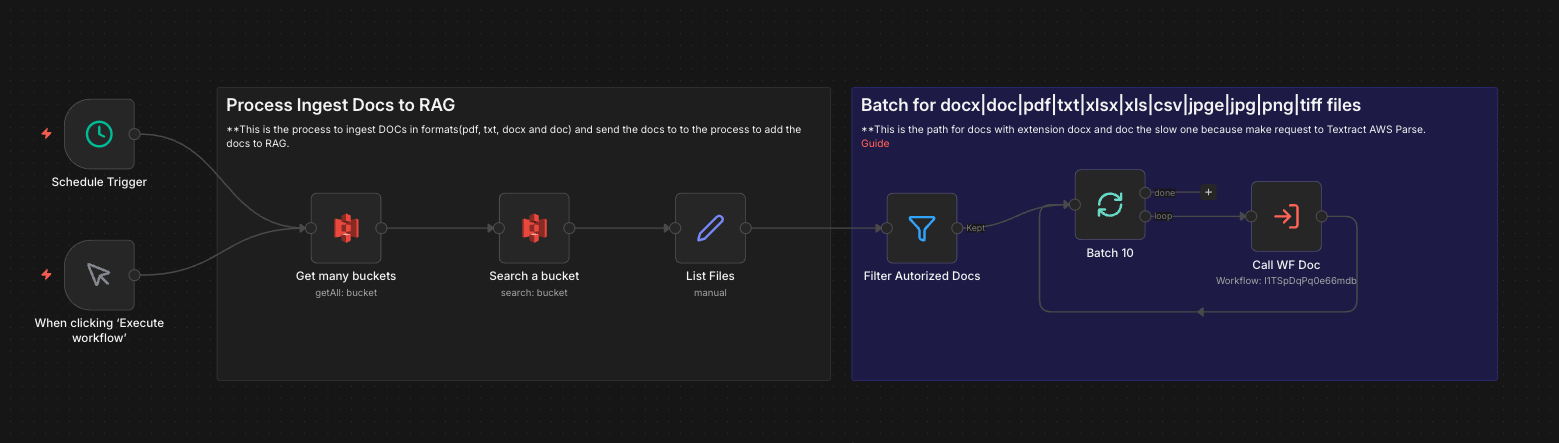
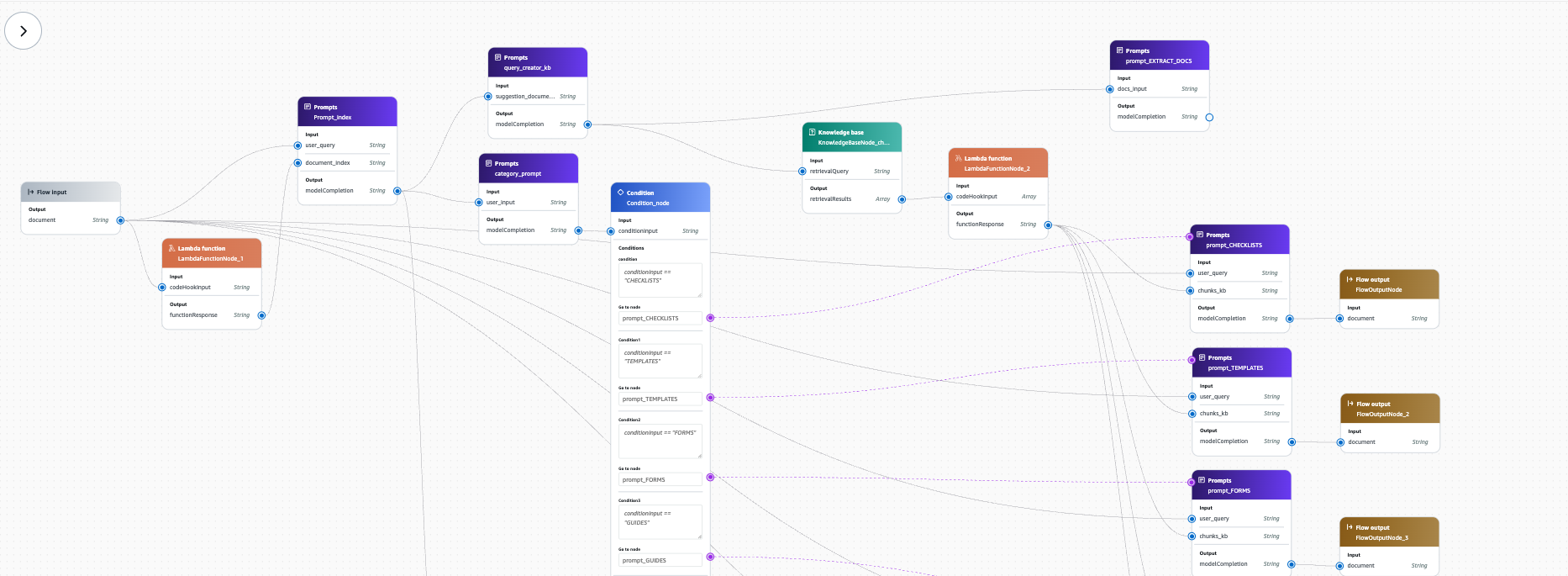
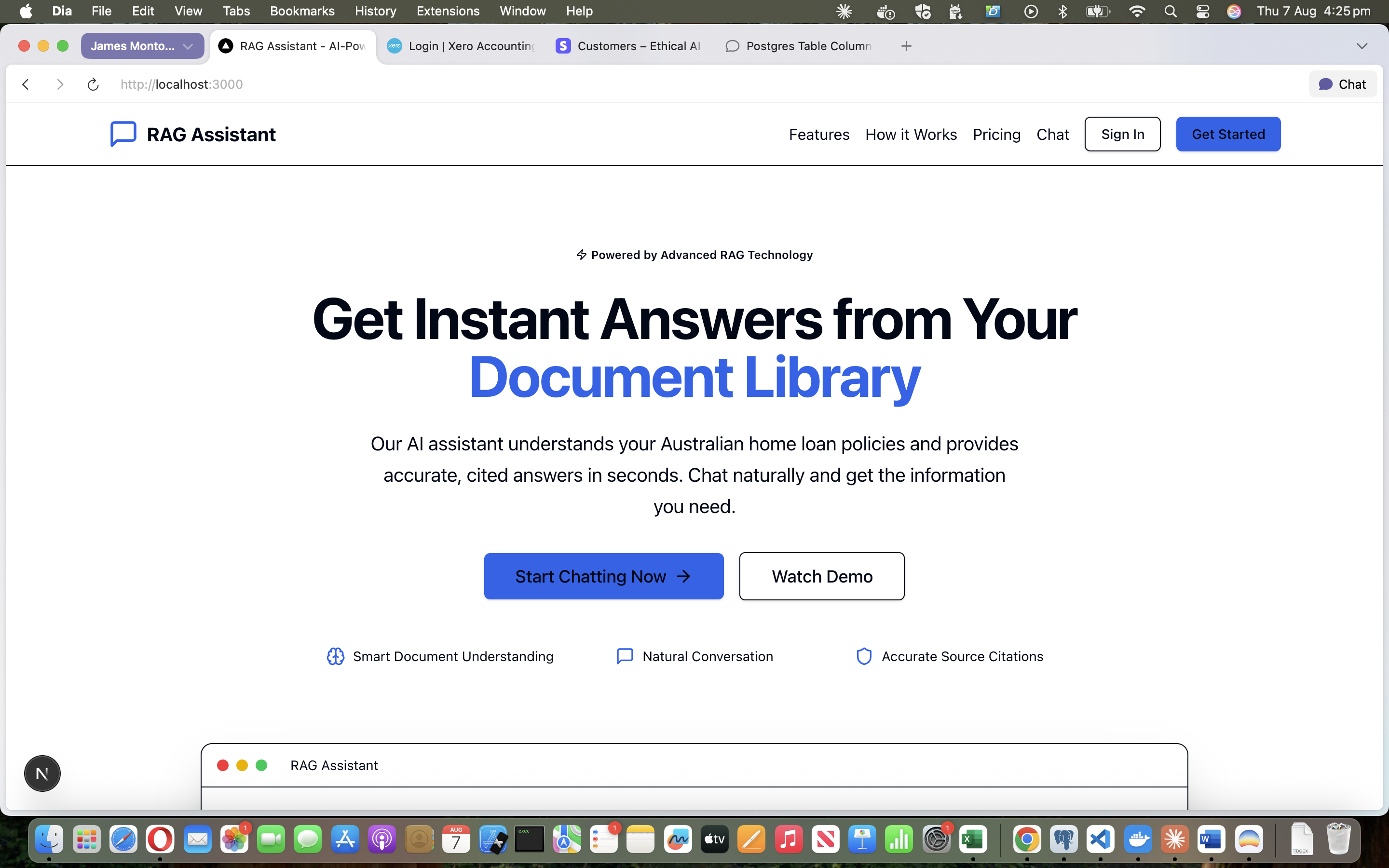
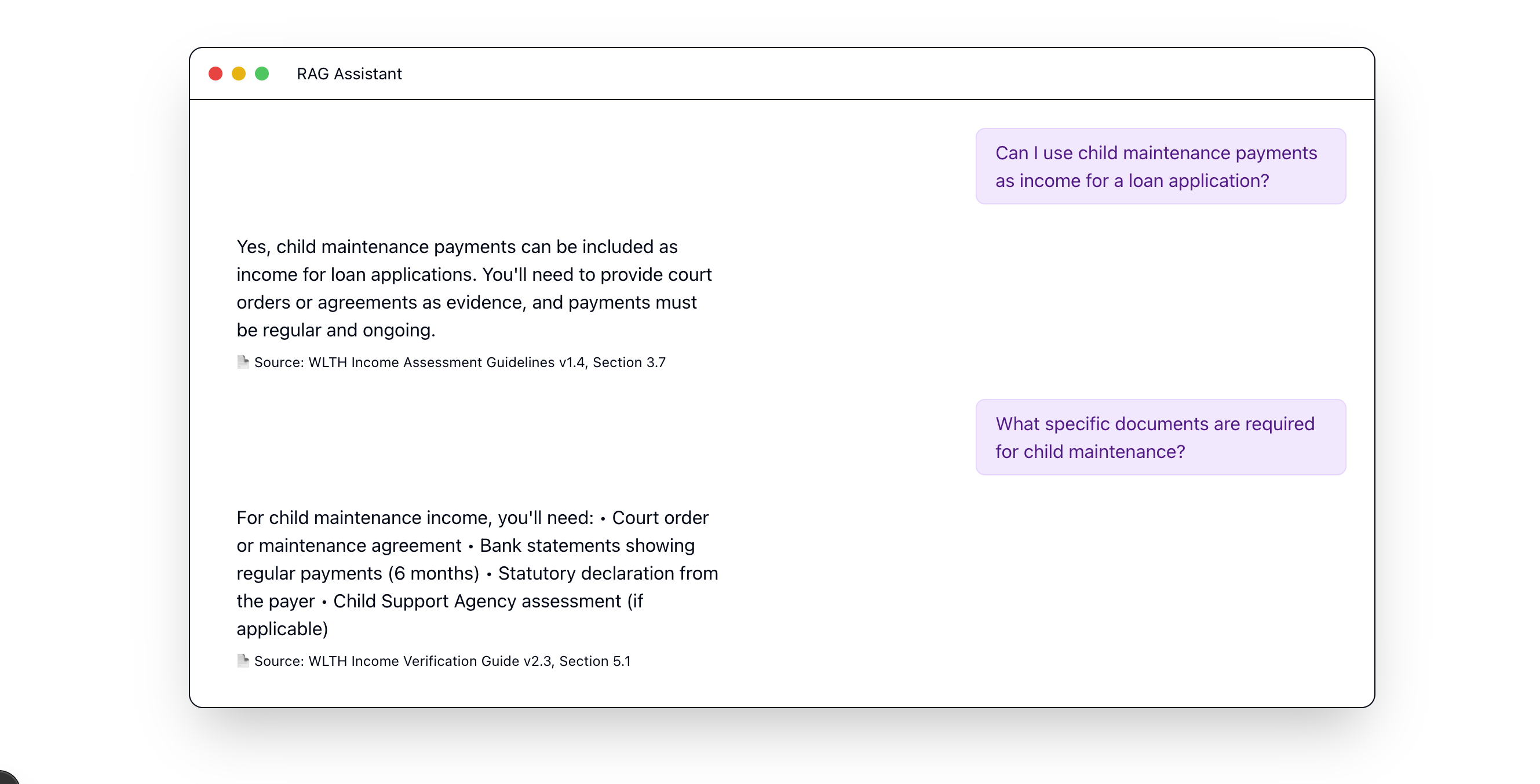
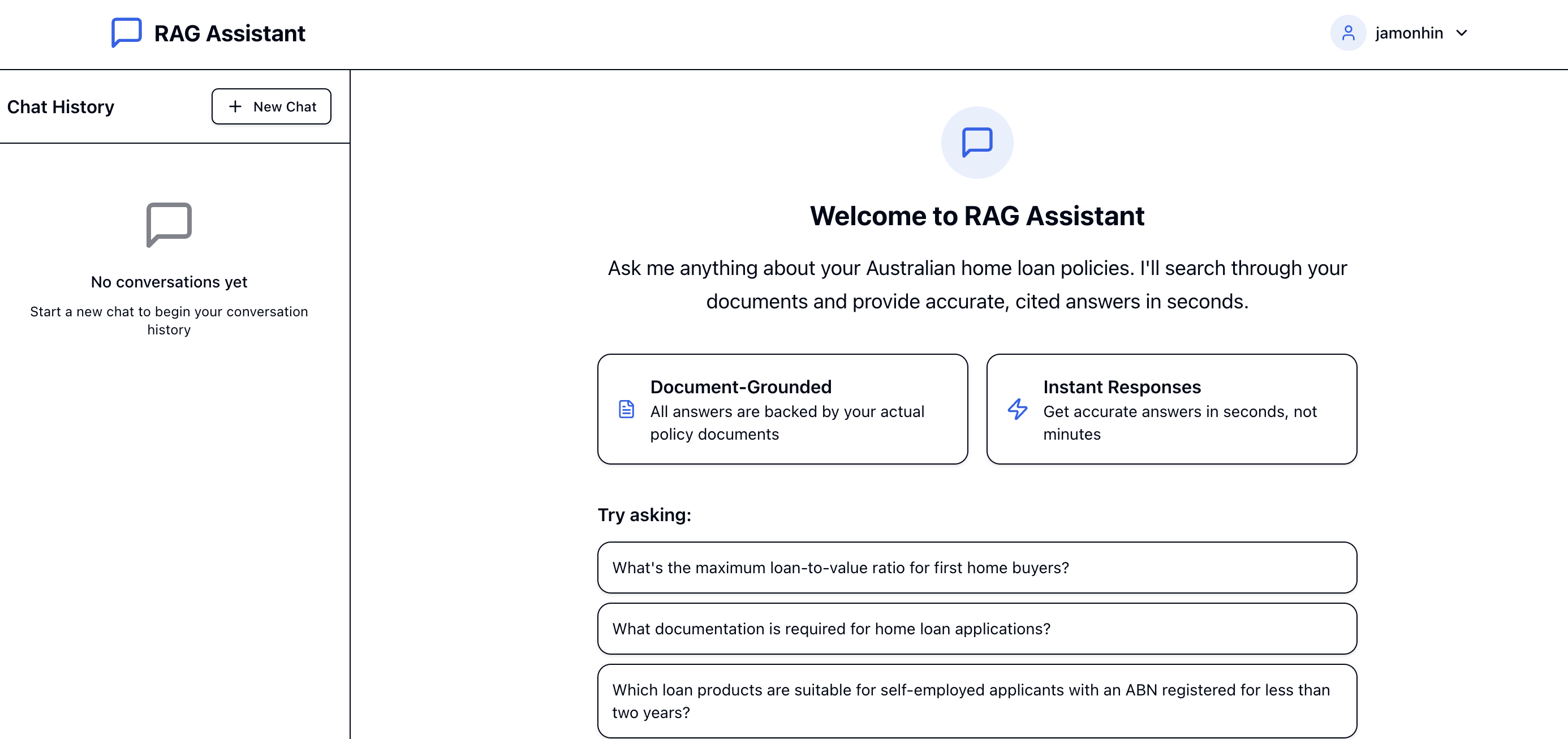
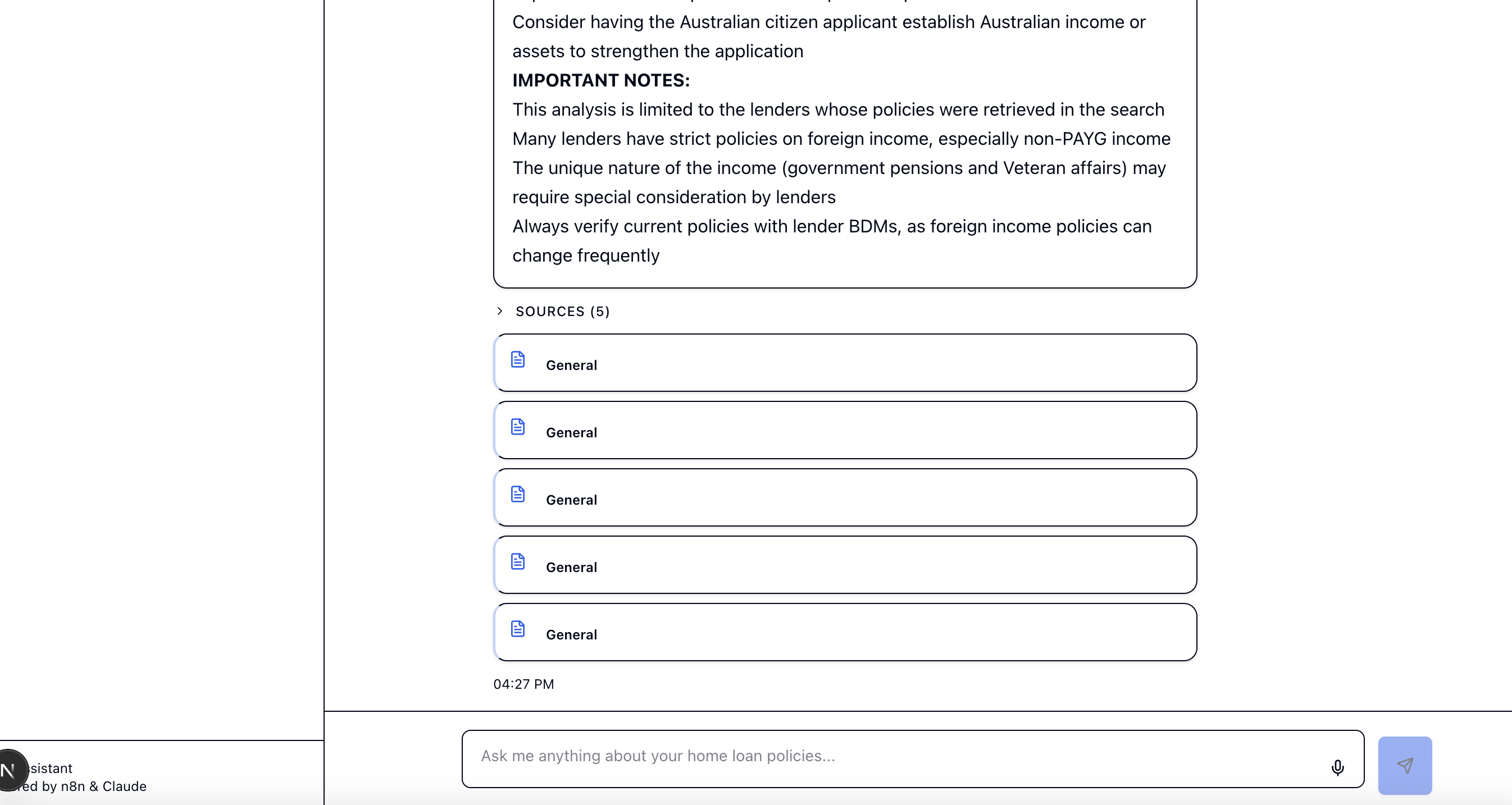
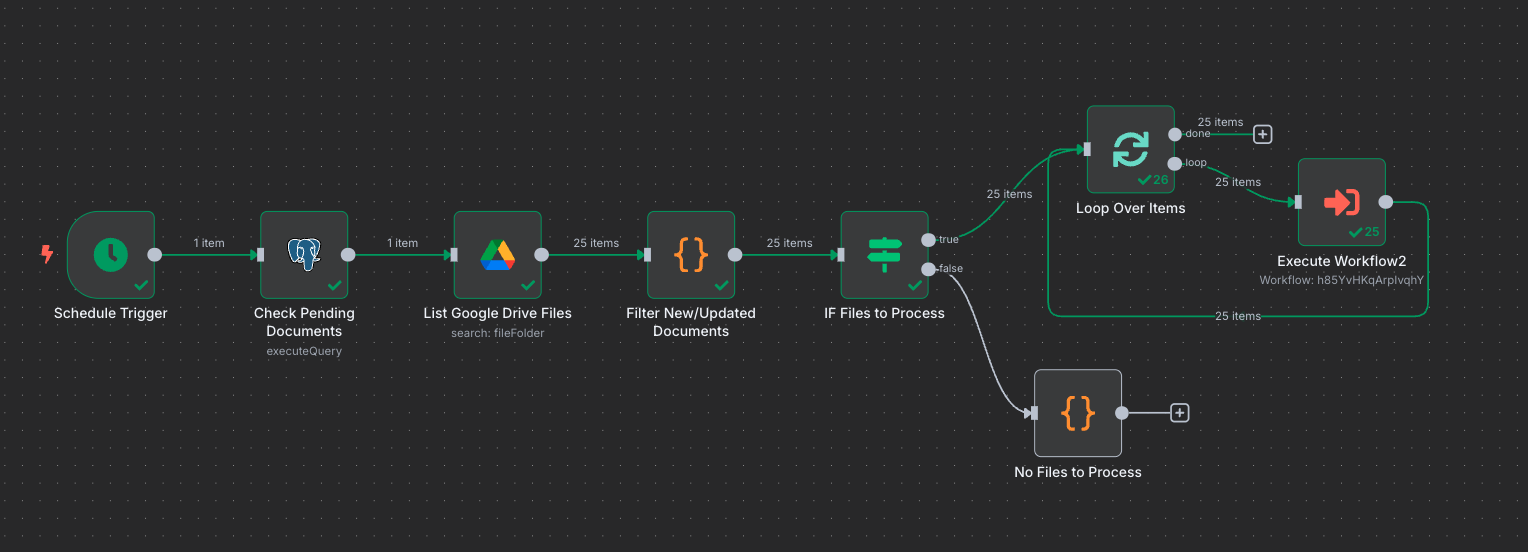
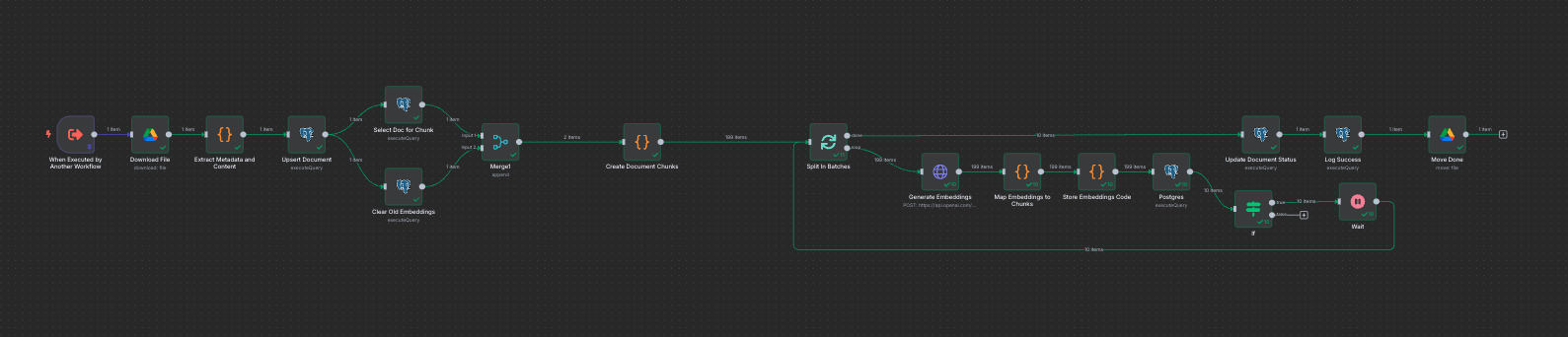
Designing and building a production-grade RAG chatbot for the Australian mortgage industry, enabling brokers to query a large library of operational documents — checklists, bank-specific guides, and settlement procedures — using natural language. Built on AWS Bedrock with N8N workflow orchestration, ArangoDB graph database, and AI-powered document processing. Designed for source-attributed, grounded responses with full document traceability and hallucination prevention.
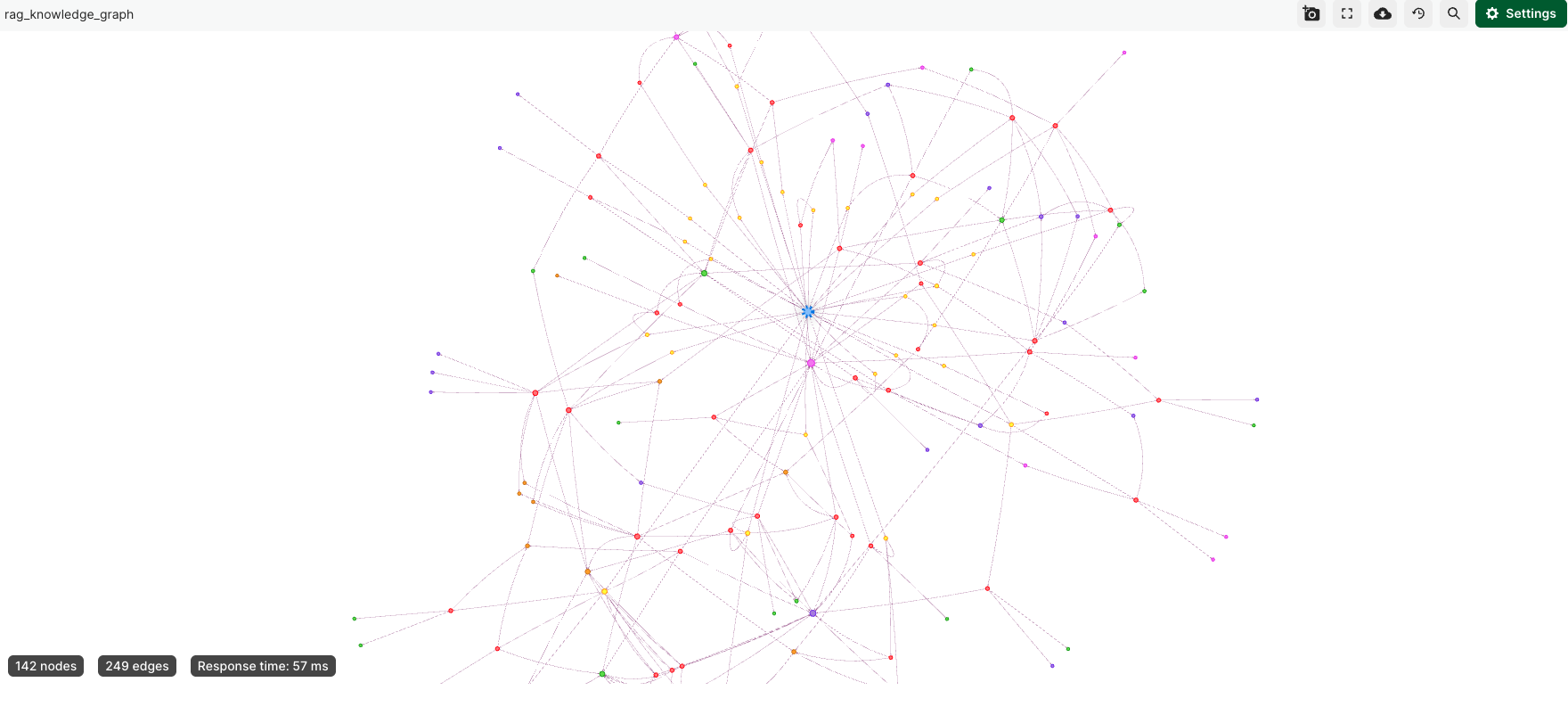
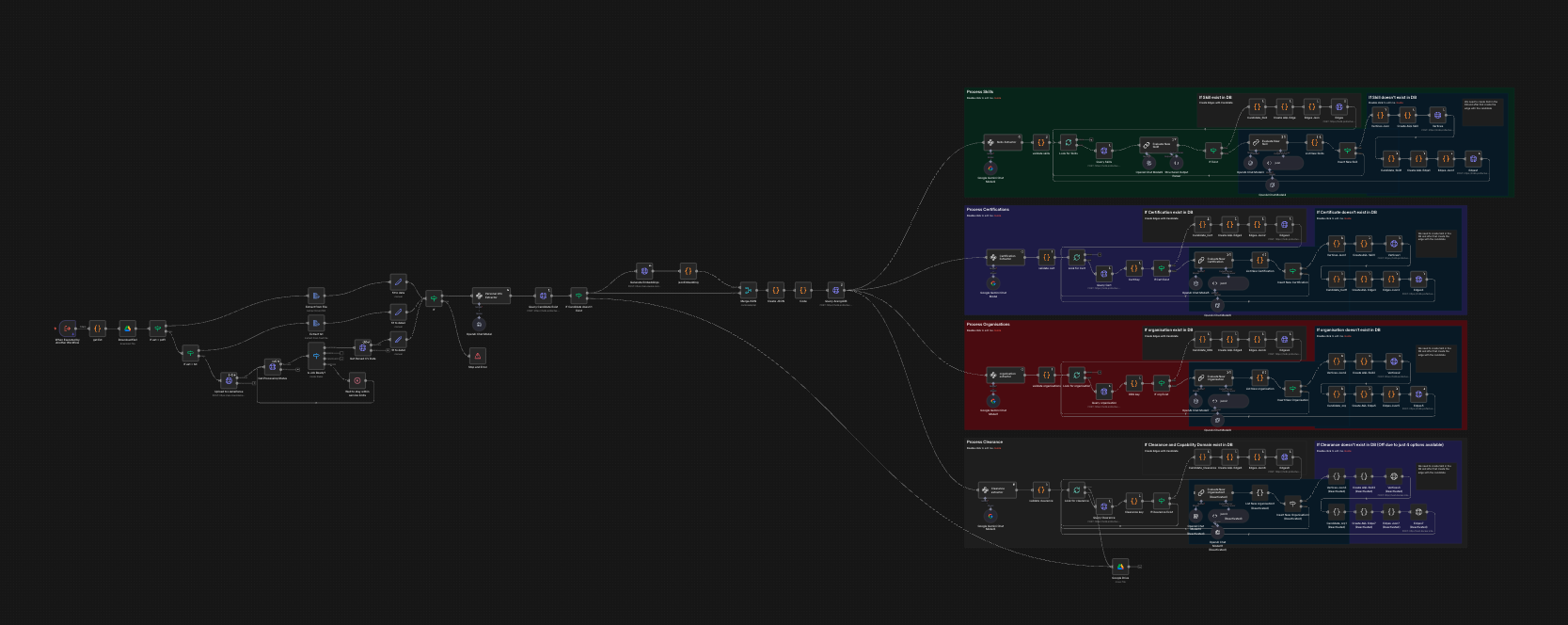
End-to-end intelligent recruitment candidate matching system combining graph database technology with AI-powered CV extraction and dual-retrieval search. Processes CVs through a multi-stage pipeline, stores candidates as a graph, and enables recruiters to find qualified candidates using both AQL graph queries and semantic vector search simultaneously through Microsoft Teams Avatar integration.
A Claude skill that turns a Markdown application spec into import-safe AwareIM Business Space Version (BSV) XML. Claude reads a bundled knowledge base of 230+ platform constraints verified against real business spaces, generates the XML, and runs a 19-check pre-flight validator over it — the file is only delivered on a clean PASS, so a business space that AwareIM would reject never ships silently. Covers business objects and attributes, peer relationships, validation/calculation/lifecycle rules, processes, REST and OAuth APIs, schedulers and template-based reports, with optional attribute-type validation against a live SQL schema.
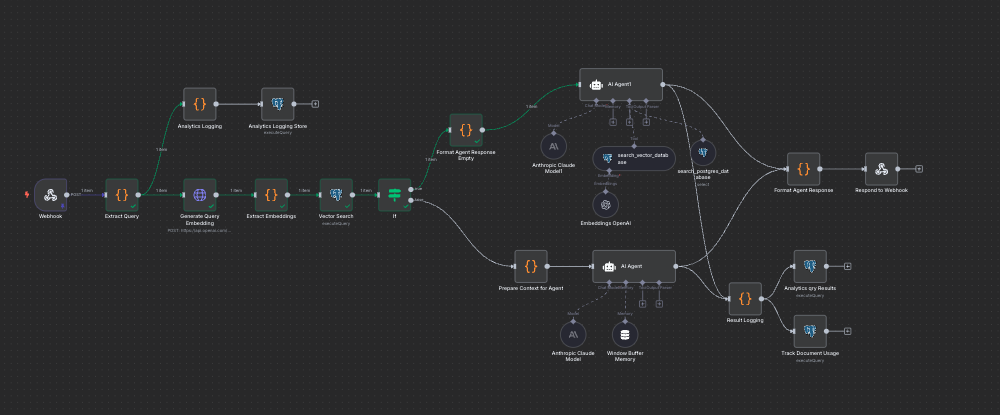
Developed an intelligent chatbot system using Amazon Bedrock to automate mortgage broker workflows. The system processes 150+ documents and delivers accurate, contextual responses with 95%+ accuracy, reducing manual lookup time by 80%. Features multi-modal query classification and vector-based knowledge retrieval.
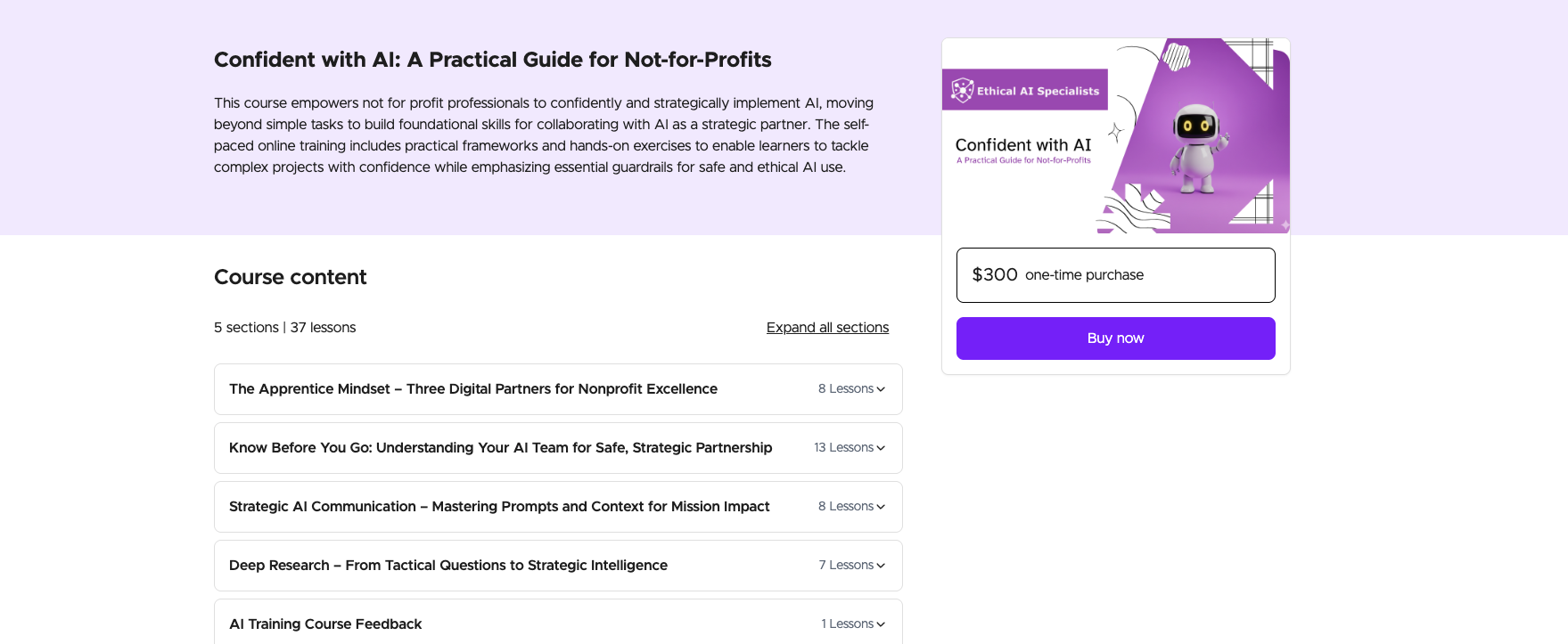
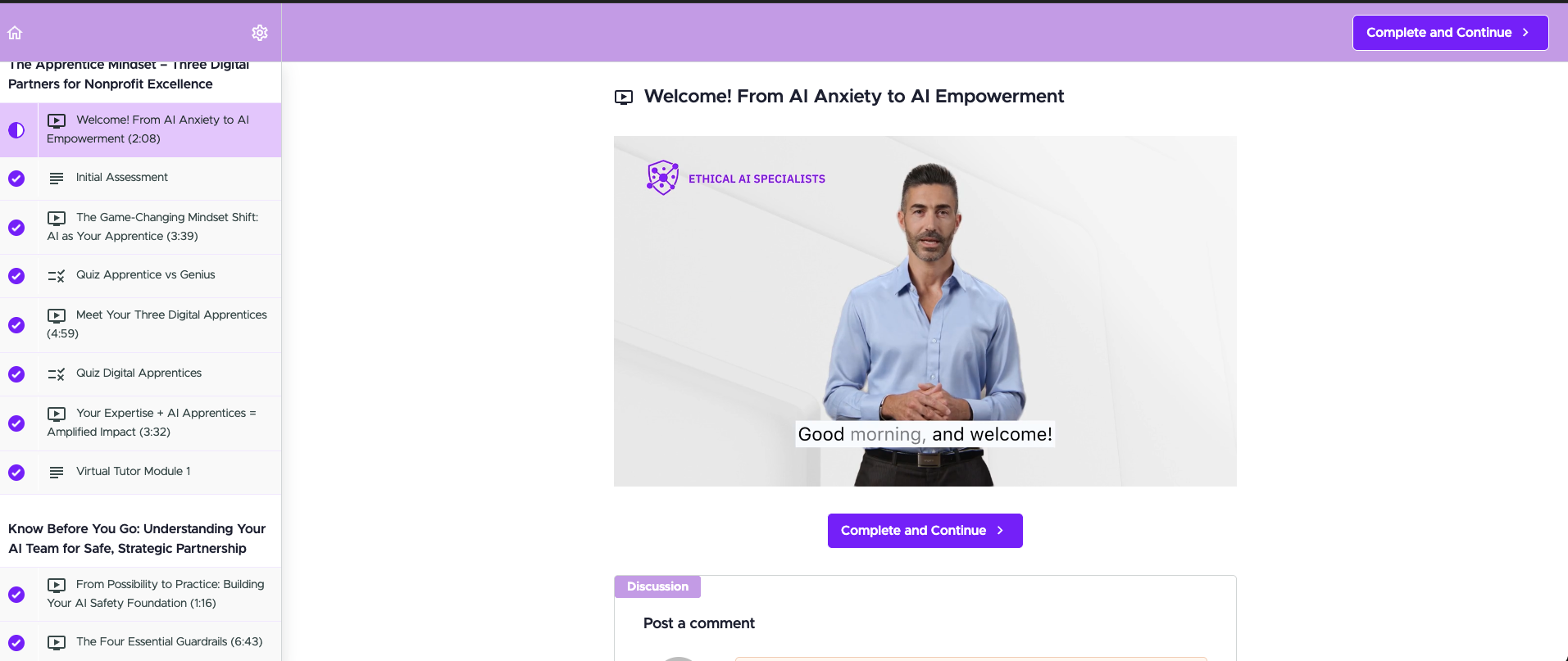
Created and developed comprehensive AI training video course for not-for-profit organisations. Self-paced online training empowering nonprofit professionals to confidently and strategically implement AI through practical frameworks, hands-on exercises, and ethical AI principles. Features 3 sections with 21 lessons covering strategic AI partnership and communication.
Built an intelligent chatbot system that combines document retrieval with AI-powered responses for enhanced user experience. Features real-time semantic document search using vector embeddings and automated document processing pipeline.
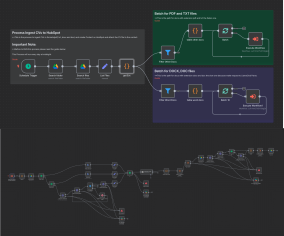
Designed and implemented an end-to-end automated resume processing pipeline that transforms unstructured documents into structured candidate profiles within a leading CRM system, reducing manual data entry time by 95% for a recruitment consultancy.
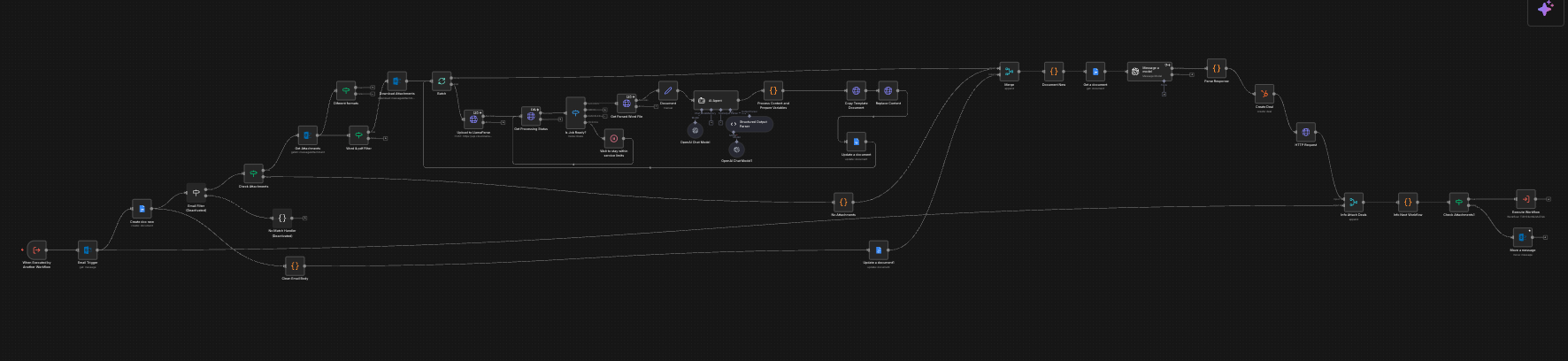
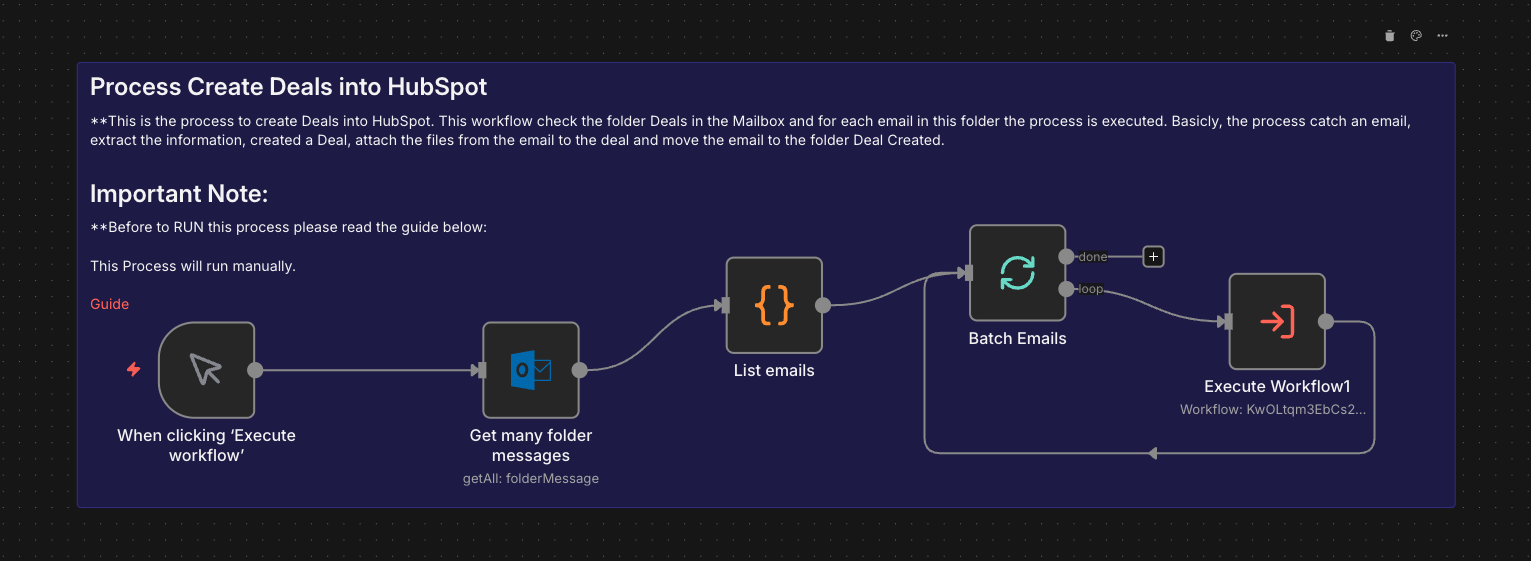
Engineered an intelligent email processing system that automatically detects, extracts, and processes email with documents, transforming unstructured tender information into structured CRM deals with 90%+ accuracy, eliminating manual tender tracking overhead for a consulting firm.
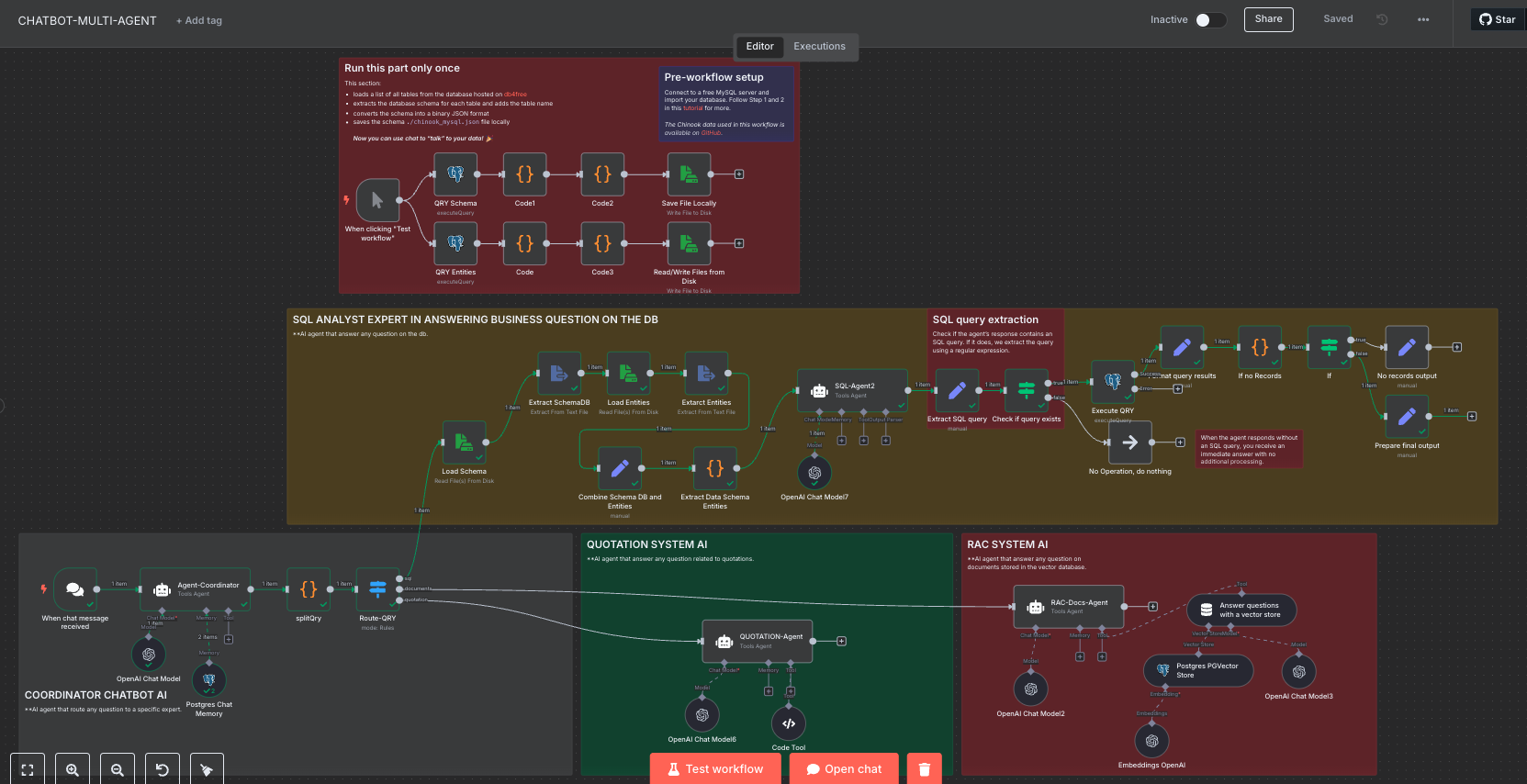
I developed a Cleaning Company Management Multi Agent System that automates operations, optimizes resource allocation, and provides actionable insights for cleaning service providers. This project demonstrates my expertise in database design, workflow automation, and AI integration.
A multi-agent system using LangChain, CrewAI to help job seekers prepare application documents. The system analyzes job postings, compares them with your resume, and generates tailored documents like cover letters and optimized resumes.
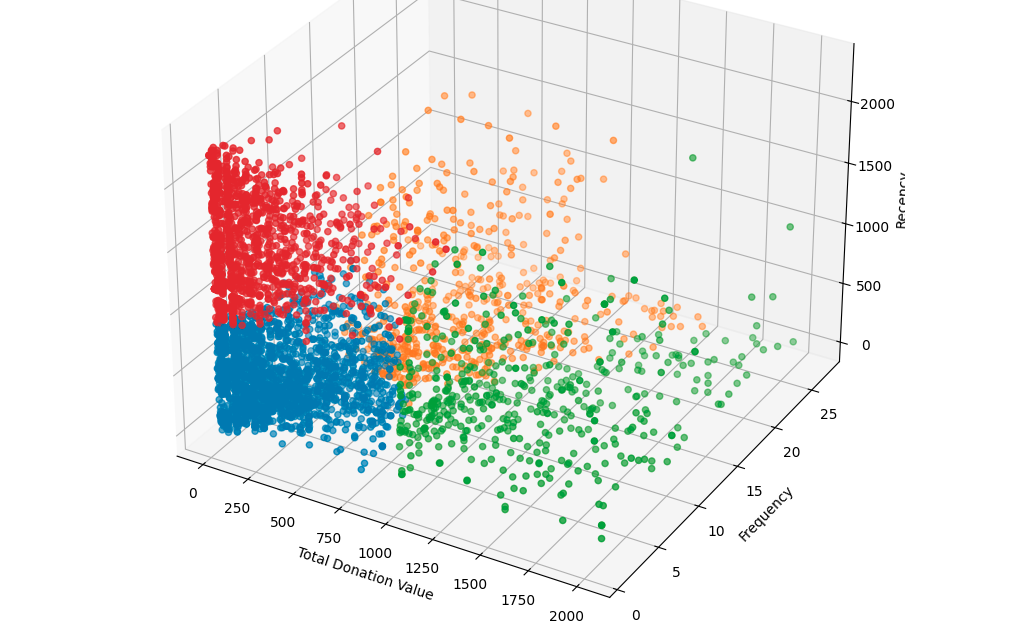
A comprehensive system for nonprofit organization to analyze donor behavior, predict future contributions, and optimize fundraising strategies. Implemented using containerized machine learning environments for scalability.
Independent AI practice serving three concurrent clients across not-for-profit, defence recruitment and financial services. Document-validation pipelines running on local inference, voice AI over WebRTC, RAG systems across enterprise document sets, graph-based candidate matching surfaced inside Microsoft Teams, reporting warehouses feeding Grafana dashboards provisioned as code, and a spec-to-application code generator — with n8n orchestrating the pipelines that tie them into HubSpot, Salesforce and Drive. Alongside the build work, AI training programmes for not-for-profit teams.
Developed Docker-based ML environments for model development. Built predictive models for donor behavior analysis and implemented automated ETL processes using Apache Airflow.
Completed Master's in Software Engineering with specialization in AI at Torrens University Australia, developing advanced skills in machine learning, artificial intelligence, and software development.
Relocated from Colombia and started over: Certificate III in English at TAFE NSW in 2018, then a two-year Diploma of Software Development at Warwick Institute of Australia. Eleven years of enterprise data engineering behind me, rebuilding the technical career on Australian qualifications — and in a second language.
I developed a mobile application for KPI dashboards using Apache PhoneGap, enabling real-time data visualization and improved decision-making. Additionally, I created ETL packages in SSIS to facilitate seamless data integration across multiple sources. To enhance efficiency, I automated reporting systems using SQL Server, reducing manual effort and improving data accuracy. Furthermore, I implemented data scraping and processing solutions with Python, streamlining data collection and analysis for actionable insights.
Completed a Specialization in Software Development at Universidad de Medellín, Colombia, gaining expertise in the software development lifecycle, Scrum methodologies, requirements elicitation, and other key aspects of software engineering.
Completed Bachelor in Computer Science at Politecnico Jaime Isaza Cadavid Medellin Colombia, developing my skills in coding, databases and software development.
I led the treasury database reporting migration project, ensuring a smooth transition and improved data accessibility. As part of this initiative, I implemented reporting solutions using Datamart and SAP Business Objects to enhance data analysis and visualization. Additionally, I managed the Murex system transition, optimizing financial data processes and system integration. I also created a VBA macro to automate the migration of information from contingency spreadsheets to the production environment, improving efficiency and reducing manual errors. My work involved leveraging Oracle Database and Business Objects to support accurate and efficient reporting for key stakeholders.
Feel free to reach out for collaborations or just a friendly hello
james@ethicalaispecialists.com.au